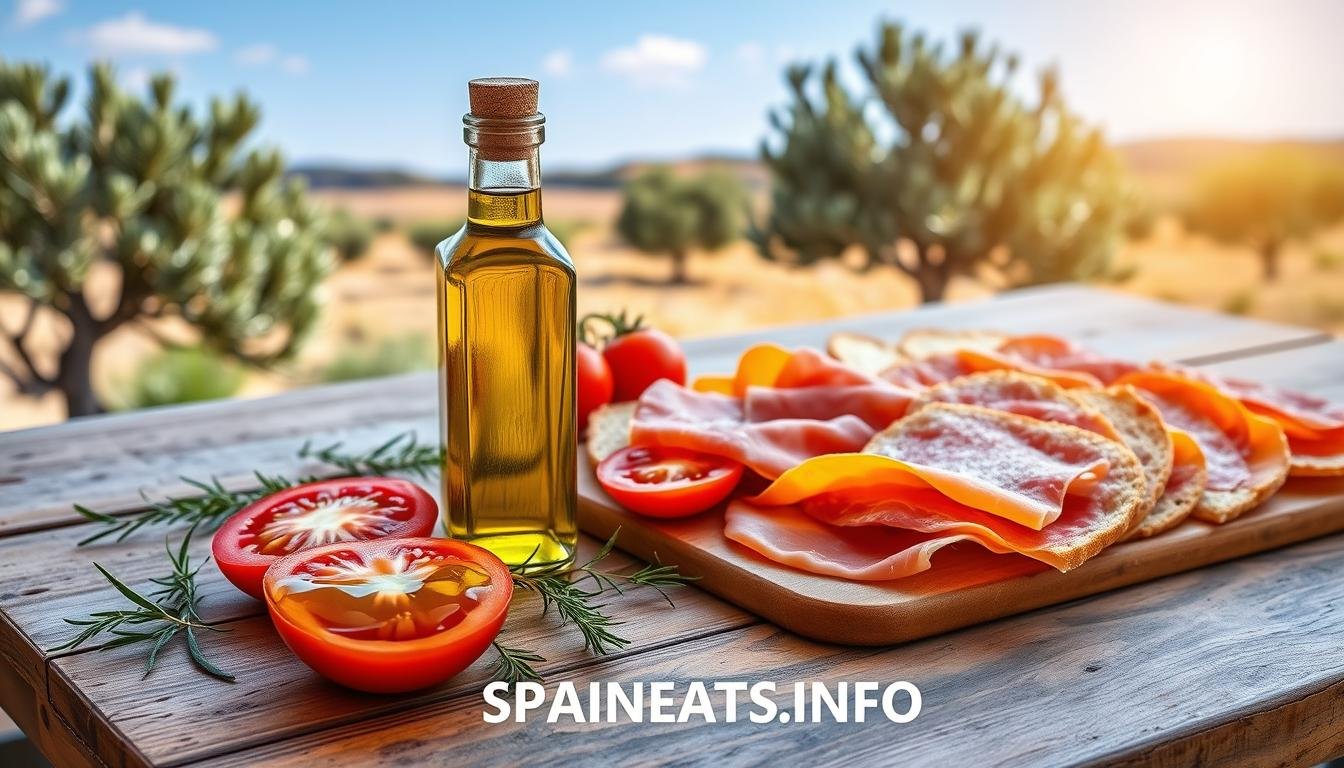
Ingredients · Buying guide
Spanish olive oil
Extra-virgin olive oil is the default fat of Spanish cooking. This guide covers grades, labels, and how to buy — without invented bottle rankings.
- Expert researched
- Beginner friendly
- No sponsored rankings
- Updated July 2026
Grades that actually matter
Mechanical extraction, low free acidity, tasting defects absent. This is the grade you want for flavour — gazpacho emulsion, salads, finishing fish, bread.
Still olive oil, but with more sensory defects allowed than EVOO. Fine for some cooking; less ideal when the oil is the flavour.
Milder, more heat-stable, less character. Useful for high-heat frying when you do not want the oil to dominate — not a substitute for finishing oil.
How to buy (checklist, not a Top 10)
- Harvest or bottling date — olive oil is fresh food; prefer recent harvest when stated.
- Dark glass or tin — light damages oil; clear supermarket bottles are a compromise.
- Origin clarity — “Product of Spain” vs vague multi-country blends. DOP/PGI names add provenance when you care.
- Intensity — peppery Andalusian oils punch hard; milder northern oils suit gentle finishing. Match intensity to the dish.
When Spain Eats links specific bottles or retailers, those links may be affiliate — see our affiliate disclosure. We do not invent star ratings for products we have not evaluated.
How to choose (use-case picks)
No invented “best brands” list — pick by job in the kitchen:
Daily cooking
Reliable Spanish EVOOClear harvest date, dark bottle, mid intensity. Your sofrito and salad default.
See checklist →Finishing & bread
Peppery AOVEAndalusian-style bite for pan con tomate, grilled fish, and gazpacho emulsion.
Use in gazpacho →High-heat fry
Milder olive oilWhen you need heat stability more than flavour — keep EVOO for the finish.
Compare grades →Where it shows up on Spain Eats
- Gazpacho — emulsifying fat streamed in while blending
- Andalusian cuisine — default cooking and finishing fat
- Sherry vinegar — the acid pair for cold soups and salads
FAQ
Is Spanish olive oil always peppery? No. Intensity varies by cultivar, harvest, and region. Taste before you commit a whole bottle to a delicate dish.
Can I fry with EVOO? Yes for many Spanish home techniques, within sensible heat. For deep frying at very high temperatures, milder oils are common — that is practicality, not a purity contest.
Do I need a DOP label? No. DOP helps when you want a named origin story; a well-stored Spanish EVOO with a clear harvest date is already a strong kitchen oil.
What to buy
EVOO/AOVE grades, harvest date, finishing vs cooking.
For Spanish Olive Oil, prioritize clear origin cues, sensible packaging, and a use-case (finishing vs long cooking) over hype labels.
Spain Eats may use affiliate links with disclosure; we do not invent star ratings for products we have not evaluated.
How it shows up in dishes
Open related traditional dishes to see Spanish Olive Oil working in context rather than as an isolated superfood claim.
Store away from heat and light when relevant. Taste before you commit a whole bottle or tin to a delicate cold soup or finishing job.
Substitutions change identity — use the substitution tool when you must, and say so honestly in your own notes.
Pantry workflow
Ingredients hub → dish page → tool → Places. That order keeps shopping tied to cooking.
If labels confuse you (grades, smoked vs sweet paprika, rice types), trust specific Spain Eats guides over generic supermarket myths.
Questions: contact@spaineats.info.
Field notes for cooks and travelers
Keep a short tasting note the first time you cook or order this. Texture, salt, and fat tell you more than a copied ingredient list. Compare one neighboring regional plate the same week so differences stick.
If a method fights the regional pantry — wrong paprika character, weak stock, underripe tomatoes, rushed braise — fix the pantry decision before adding more steps. Spain Eats pages are written to prevent that kind of false complexity.
Next links: traditional dishes, regions, ingredients, tools, Places.