Ingredients · Rice
Bomba rice
Spanish short-grain rice prized for paella and other dry-rice plates. It absorbs more liquid than softer varieties without turning to mush — which is why cooks reach for it when the pan must stay thin and the grains must stay separate.
What bomba is (and why paella cooks mention it)
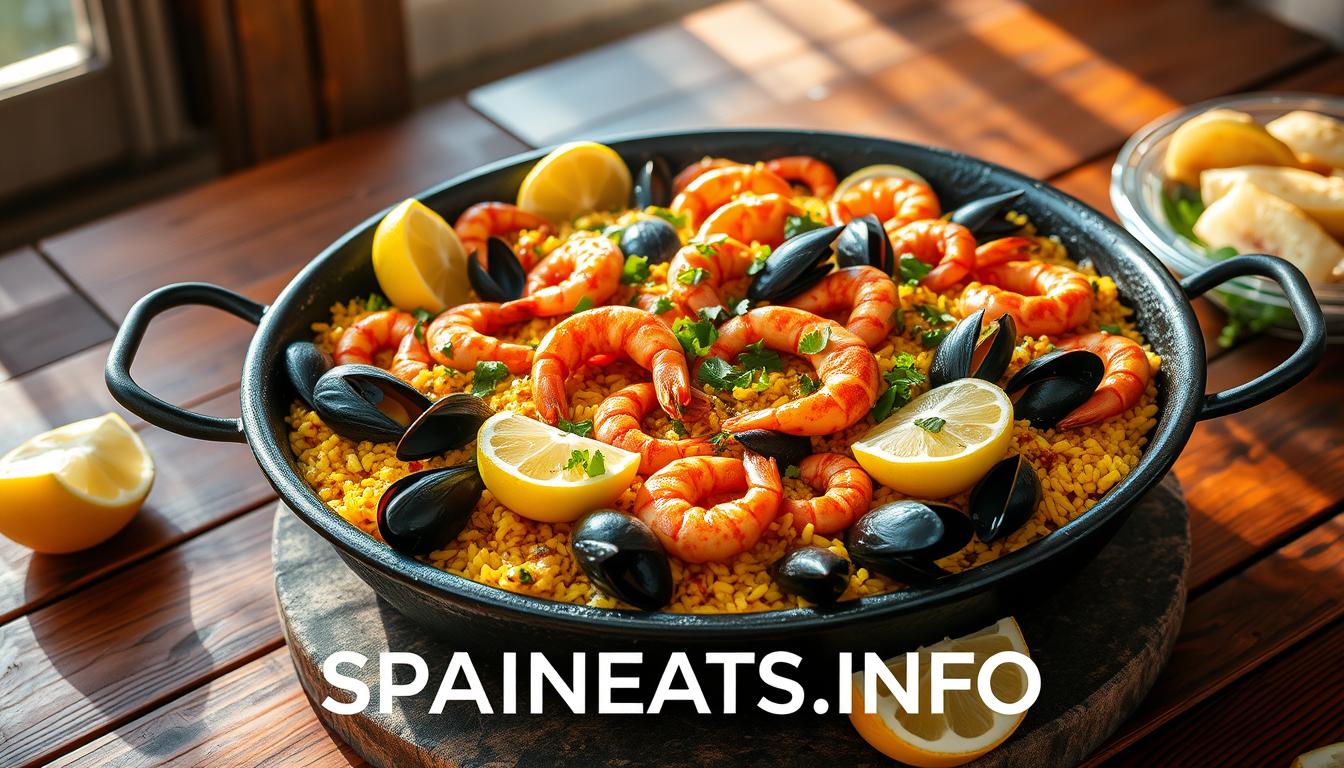
Bomba is a cultivar of round short-grain rice grown in parts of Valencia and Murcia. Its claim to fame is capacity: it can take on seasoned broth while keeping structure. That matters in a Paella Valenciana or seafood paella, where you sprinkle rice into a shallow layer and then stop stirring. Softer grains collapse; bomba gives you margin.
It is not magic. A wide paella pan, correct liquid ratio, and the no-stir rule still dominate outcomes. Rice choice is the pantry decision that stops home cooks from blaming the recipe when the grain was wrong for the technique.
Bomba vs calasparra vs senia (honest comparison)
| Rice | Region | Best for | Home-cook note |
|---|---|---|---|
| Bomba | Valencia / Murcia | Dry paella, arroz seco | Most forgiving absorption; premium price |
| Calasparra | Murcia (DO) | Paella, rice stews | Also short-grain; slightly less “bulletproof” than bomba |
| Senia / bahía | Valencia huerta | Traditional local pots | Common in Spain; easier to overcook if layer is thick |
| Arborio / risotto rice | Italy | Risotto | Wrong starch behavior for paella — do not substitute |
| Long-grain pilaf | Various | Pilaf, side dishes | Will not hydrate the same in a thin open pan |
If a label says only “paella rice” without origin, treat it as a blend. For learning technique, a named Spanish short-grain beats anonymous mix.
How much bomba rice for paella (servings)
Planning ranges for dry rice in a wide pan — adjust with the calculator and your burner:
- 2–3 people — roughly 150–200 g rice in a ~30–34 cm pan
- 4–6 people — roughly 300–400 g rice in a ~38–42 cm pan
- 8+ people — 500 g+ rice needs a ~46–50 cm pan and a burner that covers the base
Depth beats folklore: if rice piles high in the center, the top steams while the bottom burns or stays raw. Scale pan diameter before you scale guest count.
Buying and storage
Look for origin labeling (Valencia, Murcia, or DO Calasparra when applicable). Bomba is often sold in 1 kg bags — enough for several practice pans. Store airtight away from steam; old rice still cooks, but aroma and consistency suffer.
Spain Eats links editorial product guides where relevant. We do not show Amazon star counts on ingredient pages — see how we rate products and affiliate disclosure.
Related cooking
Bomba appears in Valencian dry rices, many seafood pans, and some fideuà discussions (noodles swap the starch, but the broth logic is similar). Pair with saffron and olive oil from the pantry cluster.
Paella hub · Paella Valenciana · Common mistakes · Ingredients hub
What to buy
Short-grain rice for paella absorption and structure.
For Bomba Rice, prioritize clear origin cues, sensible packaging, and a use-case (finishing vs long cooking) over hype labels.
Spain Eats may use affiliate links with disclosure; we do not invent star ratings for products we have not evaluated.
How it shows up in dishes
Open related traditional dishes to see Bomba Rice working in context rather than as an isolated superfood claim.
Store away from heat and light when relevant. Taste before you commit a whole bottle or tin to a delicate cold soup or finishing job.
Substitutions change identity — use the substitution tool when you must, and say so honestly in your own notes.
Pantry workflow
Ingredients hub → dish page → tool → Places. That order keeps shopping tied to cooking.
If labels confuse you (grades, smoked vs sweet paprika, rice types), trust specific Spain Eats guides over generic supermarket myths.
Questions: contact@spaineats.info.
Field notes for cooks and travelers
Keep a short tasting note the first time you cook or order this. Texture, salt, and fat tell you more than a copied ingredient list. Compare one neighboring regional plate the same week so differences stick.
If a method fights the regional pantry — wrong paprika character, weak stock, underripe tomatoes, rushed braise — fix the pantry decision before adding more steps. Spain Eats pages are written to prevent that kind of false complexity.
Next links: traditional dishes, regions, ingredients, tools, Places.
Spain Eats product picks for this guide
Editorial mini-listings — no Amazon prices on-page. Live checkout stays on Amazon.es. Affiliate disclosure.