Spanish tapas
Small plates, big food culture
Tapas are not a single recipe list — they are a Spanish way of eating: shared plates, bar rhythm, regional styles from Andalusian freidurías to Basque pintxos.
Cluster map
- History of tapasHow the habit formed
- Tapas etiquetteOrdering & sharing norms
- Classic tapas dishesCore plate set
- Andalusian tapasSouthern bar culture
- Basque pintxosNorthern bite culture
- Tapas vs pintxosWhat actually differs
By temperature & type
Pantry for tapas
Related: Food culture · Spanish dishes · Spanish drinks
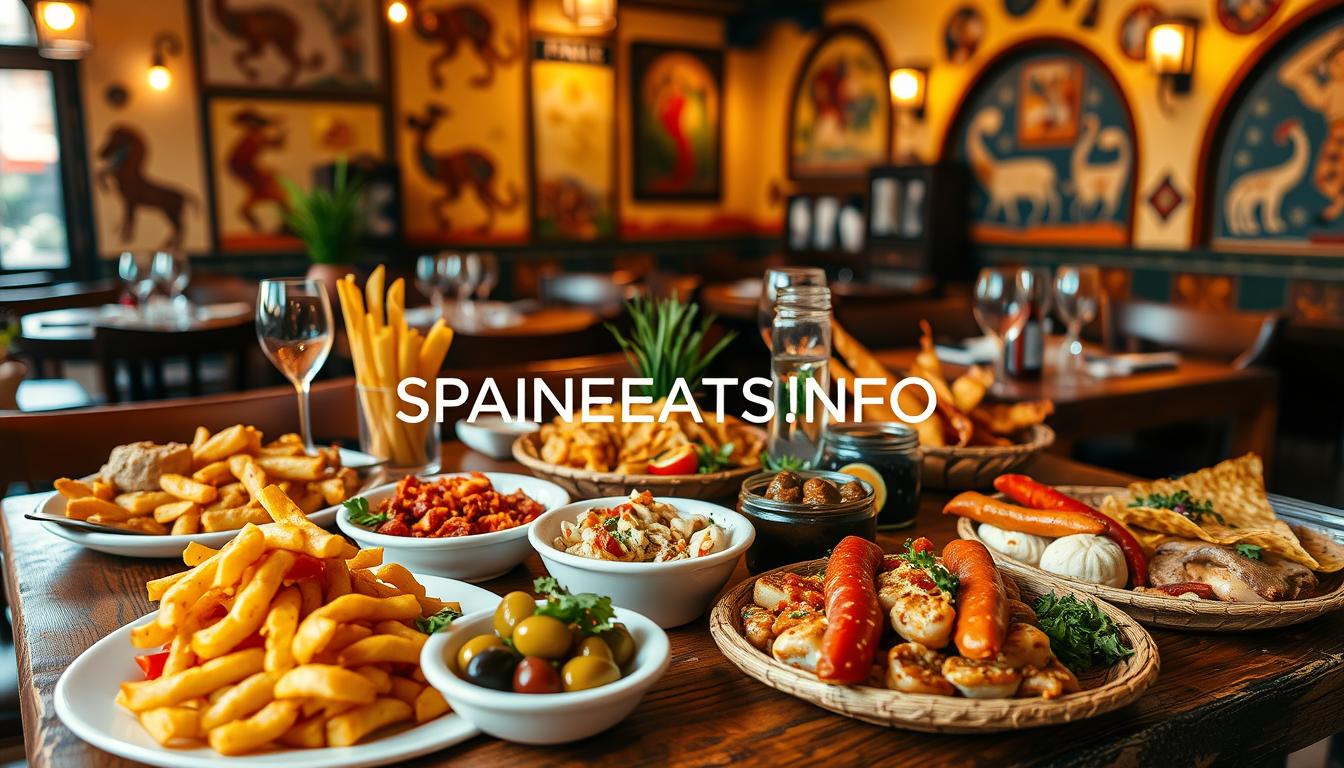
Tapas culture on Spain Eats
Tapas are shareable plates ordered in rounds — not a fixed tasting menu. Read tapas vs pintxos, conservas tapas, and regional guides like Basque cuisine. Browse Barcelona, Madrid, and Seville maps for mapped bars — we do not publish star rankings.
Classic plates to study first: patatas bravas, croquetas, pimientos de Padrón, and tortilla española. Pair with Spanish drinks and meal times for pacing.
Order conservas and pan con tomate before hot plates — bars pace service that way. Pintxos culture in the Basque Country differs from Andalusian tapas; never assume one portion size nationwide. Use city maps for Barcelona, Madrid, and Seville rather than dated ranking listicles.
How to order tapas without the tourist trap
Spanish tapas are a pacing system, not a fixed tasting menu. In most cities you order one or two plates per round, stand or sit depending on the bar, and watch what locals reorder. If a board lists twenty “tapas of Spain” with English photos and the same fried mix everywhere, you are in a tourist menu — walk one street over.
Start with something that reveals the kitchen: a conserva with good oil, a tortilla cooked to order, or a seasonal vegetable plate. Save heavy rice and big raciones for when the table is settled. Pair with the city’s default drink — vermut in Barcelona, manzanilla in Seville, cidre in Asturias — then expand. Our conservas tapas guide and meal times page explain when each move makes sense.
Tapas vs raciones vs pintxos
Tapa is a small plate meant for one person or a shared bite. Ración is a larger share plate. Pintxo (Basque) is usually a topped bite on bread, often taken from the bar top and paid by toothpick count. Treating pintxos as “fancy tapas” misses the bar logic — see Basque pintxos.
- One tapa per person per round keeps quality high.
- Order the house special before the photo menu.
- Ask for the price of market fish and jamón by weight before you commit.
A home tapas pantry that actually gets used
You do not need twenty tins. Keep Cantabrian anchovies, a solid olive oil, piquillo peppers, and good olives. Add vermut or sherry when you host. That short list covers aperitivo hour better than a random “Spanish snack” assortment. Product picks below are editorial — live prices stay on Amazon.es.
City differences that change what you order
Barcelona leans vermut + conservas and market produce. Madrid mixes classic taverns with market halls — skip only-for-tourists halls when you want neighborhood pacing. Seville rewards standing rounds and sherry. San Sebastián is pintxo logic, not shared ración logic. Use city food maps under Places as discovery, then confirm hours on Google Maps.
If you only remember one rule: order fewer plates of higher quality, and let the bar’s specialty lead. That is how tapas create loyalty — and how affiliate pantry buys (anchovies, oil, olives) stay relevant when readers cook the same rhythm at home.
Empty cupboard? Start with the Spanish pantry starter kit before buying novelty tapas gifts.
Spain Eats product picks for this guide
Editorial mini-listings — no Amazon prices on-page. Live checkout stays on Amazon.es. Affiliate disclosure.