Pantry · Spanish ingredients
Spanish ingredients
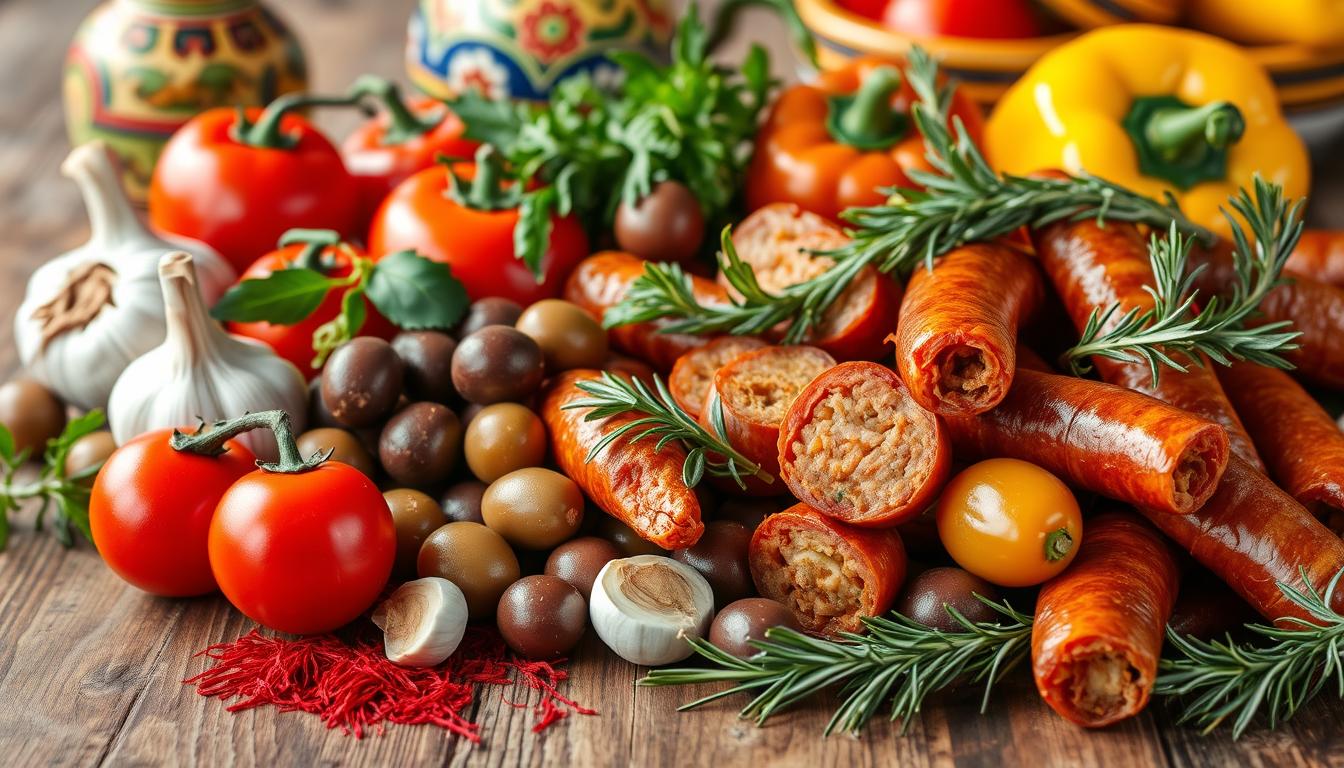
Ingredients are how Spanish cuisine travels from region to plate. Start with cornerstone pantry items — then follow each one into the dishes and regions that depend on them.
Cornerstone pantry
Items that unlock Spanish cooking
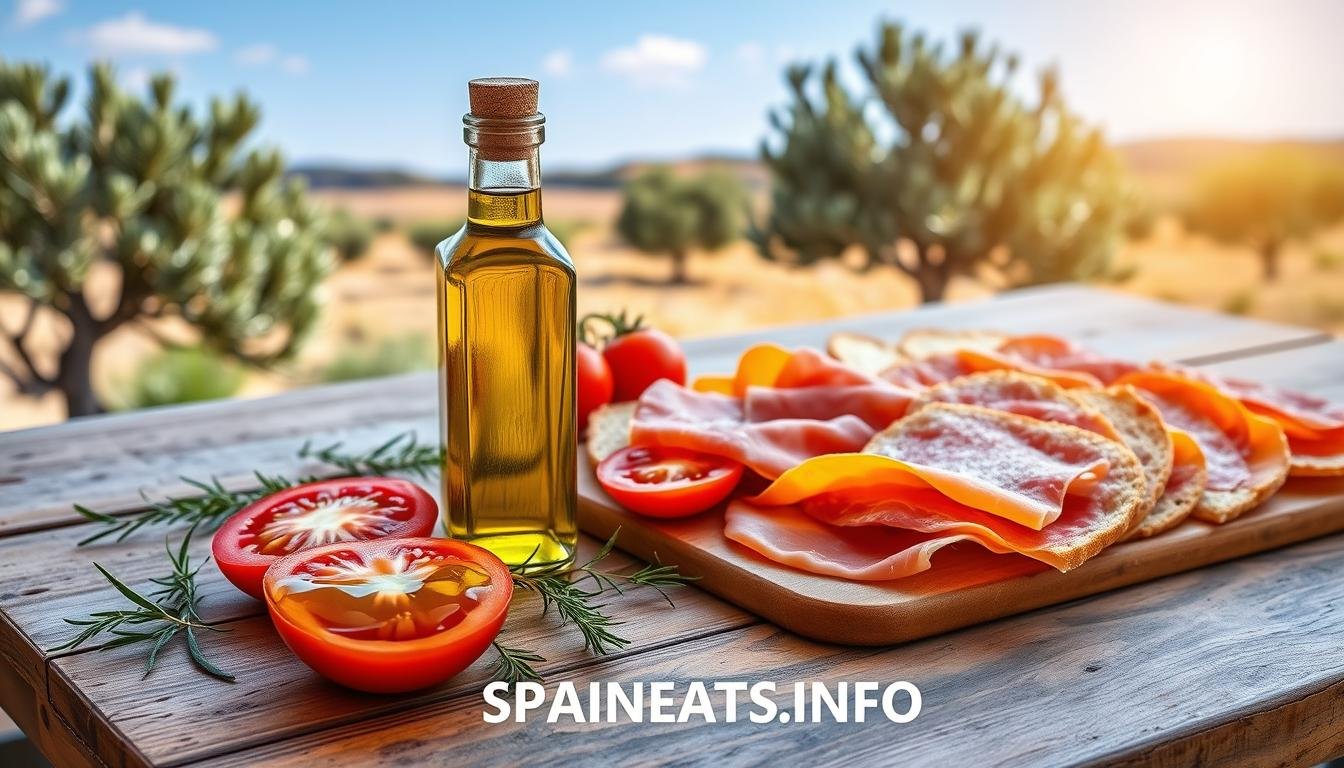
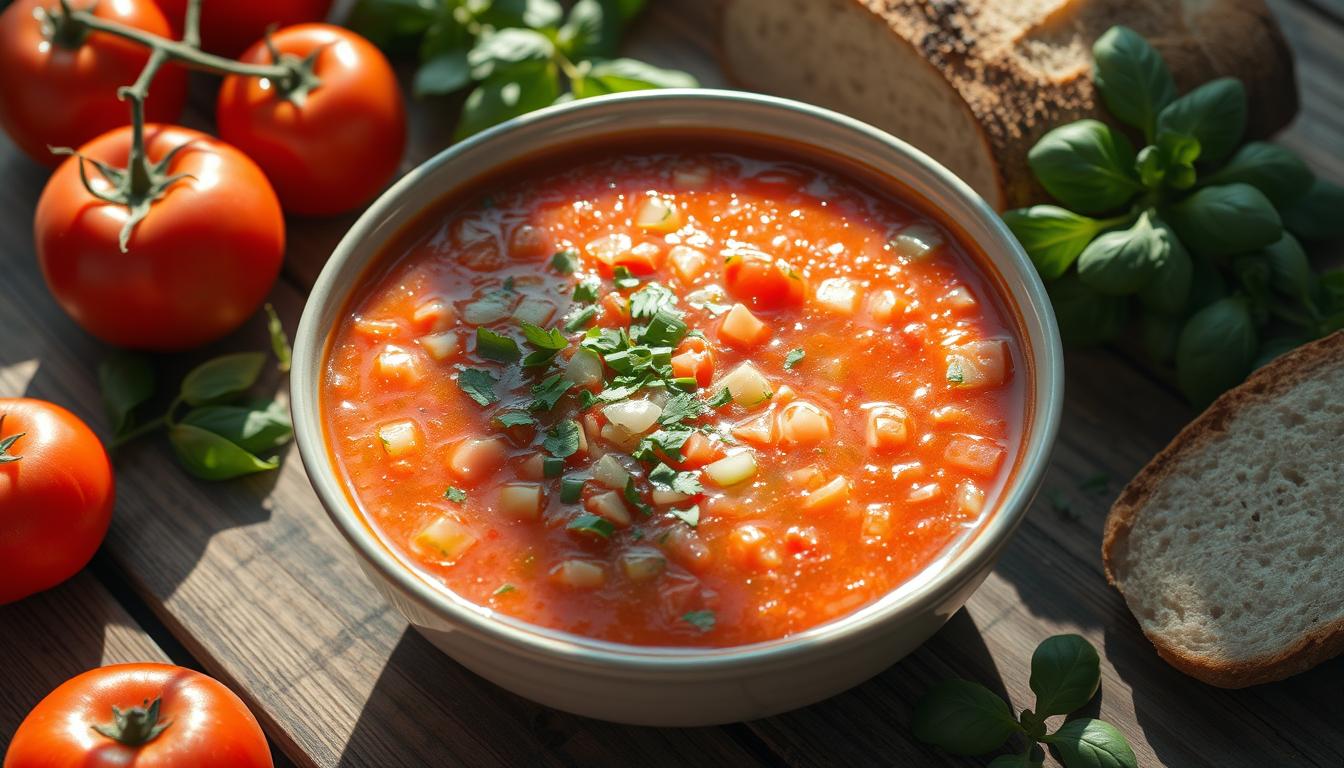
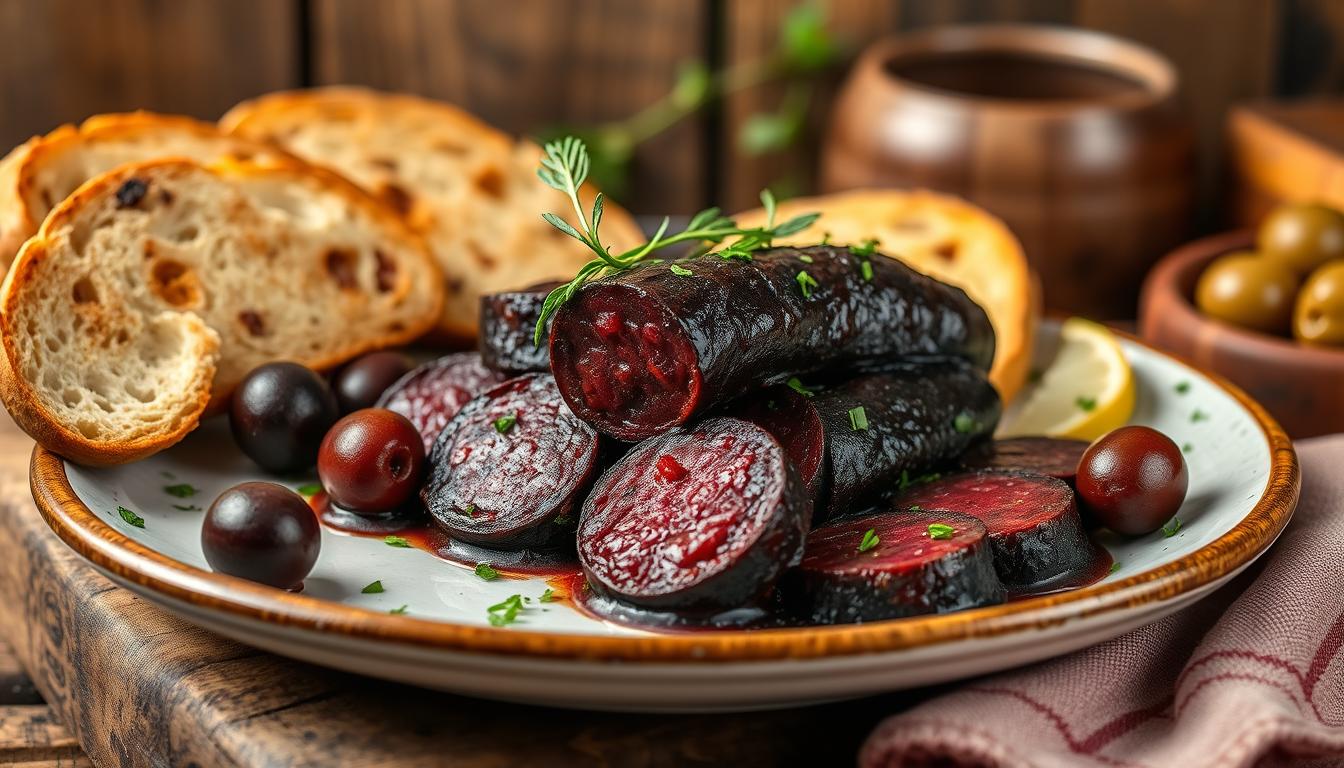
What to buy
Cornerstone pantry map for Spanish cooking.
For Spanish Ingredients, prioritize clear origin cues, sensible packaging, and a use-case (finishing vs long cooking) over hype labels.
Spain Eats may use affiliate links with disclosure; we do not invent star ratings for products we have not evaluated.
How it shows up in dishes
Open related traditional dishes to see Spanish Ingredients working in context rather than as an isolated superfood claim.
Store away from heat and light when relevant. Taste before you commit a whole bottle or tin to a delicate cold soup or finishing job.
Substitutions change identity — use the substitution tool when you must, and say so honestly in your own notes.
Pantry workflow
Ingredients hub → dish page → tool → Places. That order keeps shopping tied to cooking.
If labels confuse you (grades, smoked vs sweet paprika, rice types), trust specific Spain Eats guides over generic supermarket myths.
Questions: contact@spaineats.info.
Field notes for cooks and travelers
Keep a short tasting note the first time you cook or order this. Texture, salt, and fat tell you more than a copied ingredient list. Compare one neighboring regional plate the same week so differences stick.
If a method fights the regional pantry — wrong paprika character, weak stock, underripe tomatoes, rushed braise — fix the pantry decision before adding more steps. Spain Eats pages are written to prevent that kind of false complexity.
Next links: traditional dishes, regions, ingredients, tools, Places.
Start here if your pantry is empty
Before collecting specialty tins, build the Spanish pantry starter kit — oil, pimentón, sherry vinegar, anchovies, and bomba — in that order.
Buyer deep-dive: which Pimentón de la Vera tin to buy.
Acid upgrade: sherry vinegar Reserva vs aged.