El Viaje · Andalusia
Andalusian cuisine
Southern Spain cooks for heat and hospitality: olive oil as the default fat, cold soups for summer, fried seafood for the coast, and a tapas culture that turns every drink into a small plate conversation.
What defines Andalusian food
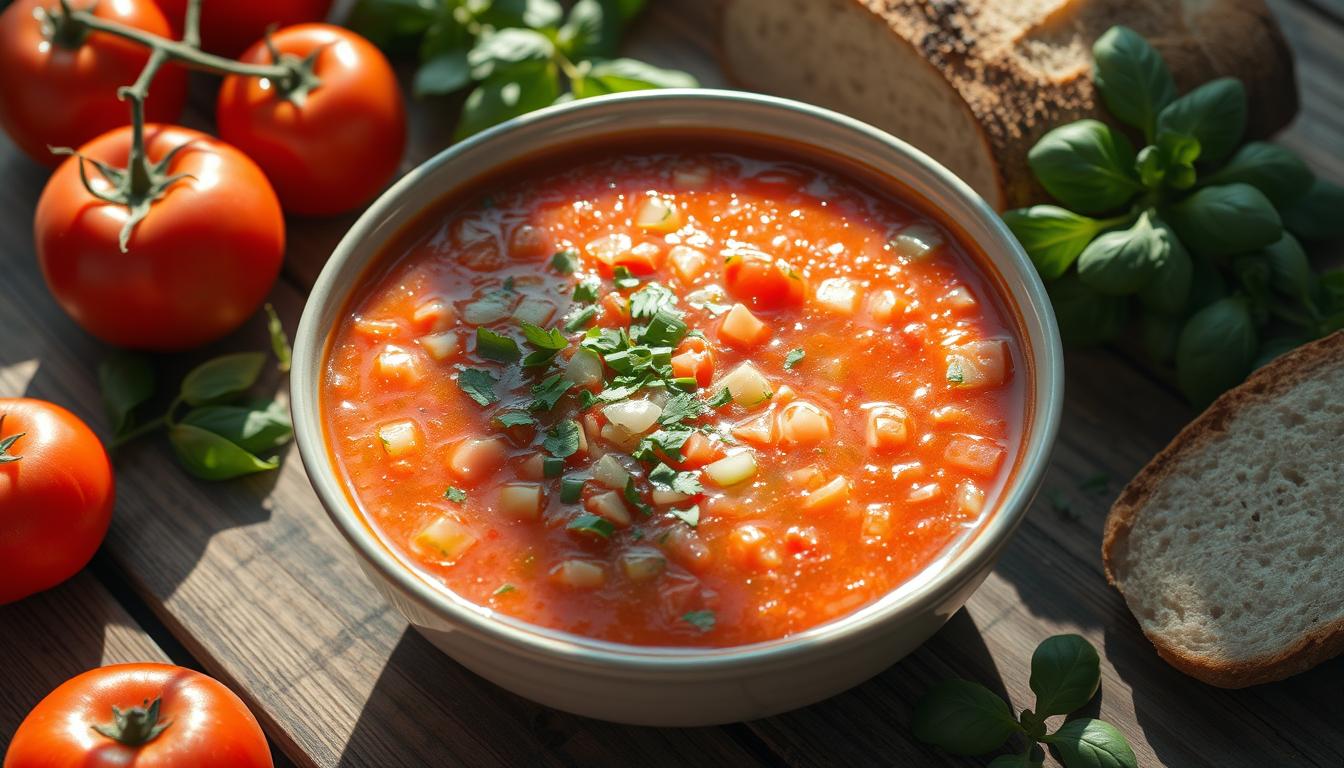
Andalusia is not one plate — it is a climate system. Inland summers push cooks toward gazpacho, salmorejo, and ajoblanco. Ports from Cádiz to Málaga push pescaíto frito and shellfish. Olive groves and sherry bodegas shape the pantry. Moorish-era techniques still show up in almond sweets, spices, and fried doughs, even when the dish feels “classic Spanish” today.
If you remember only three signals: olive oil first, cold soup as daily food, and small plates with drinks. Everything else hangs from those habits.
Signature dishes
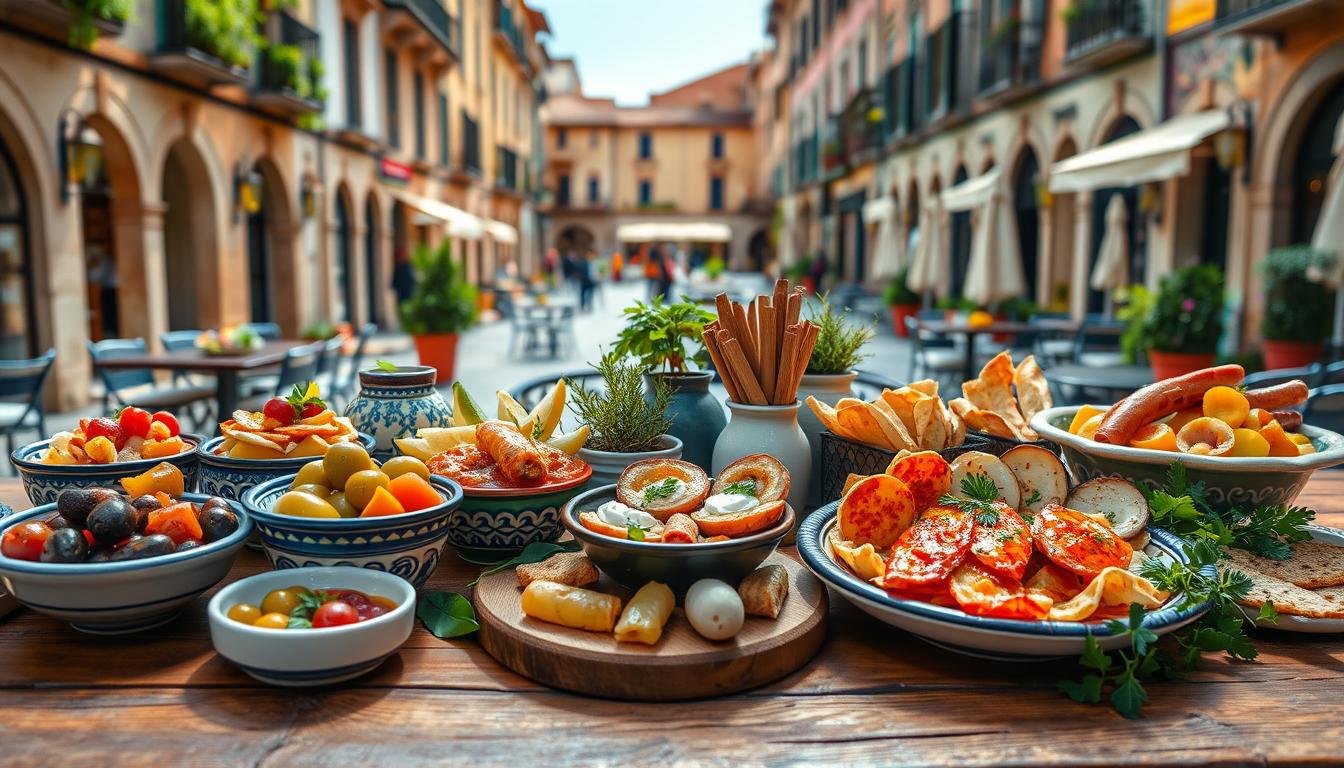
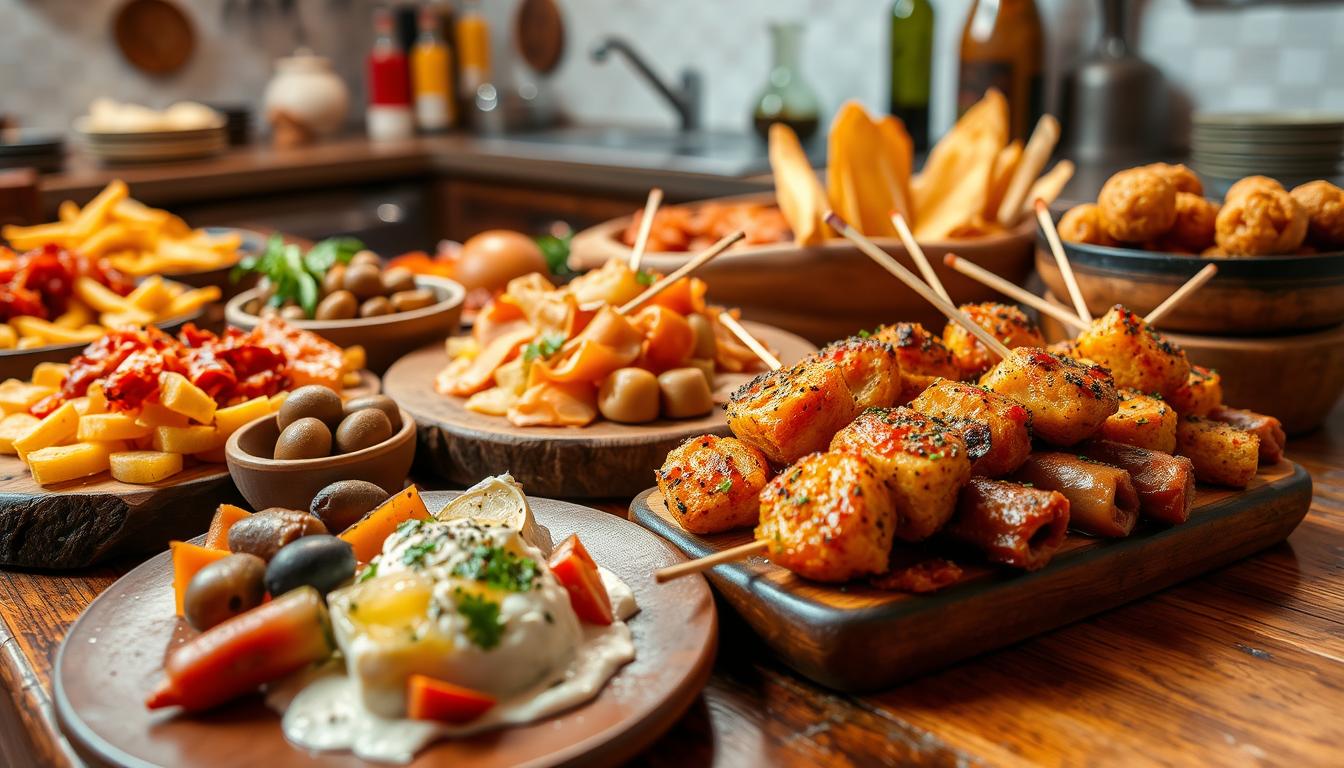
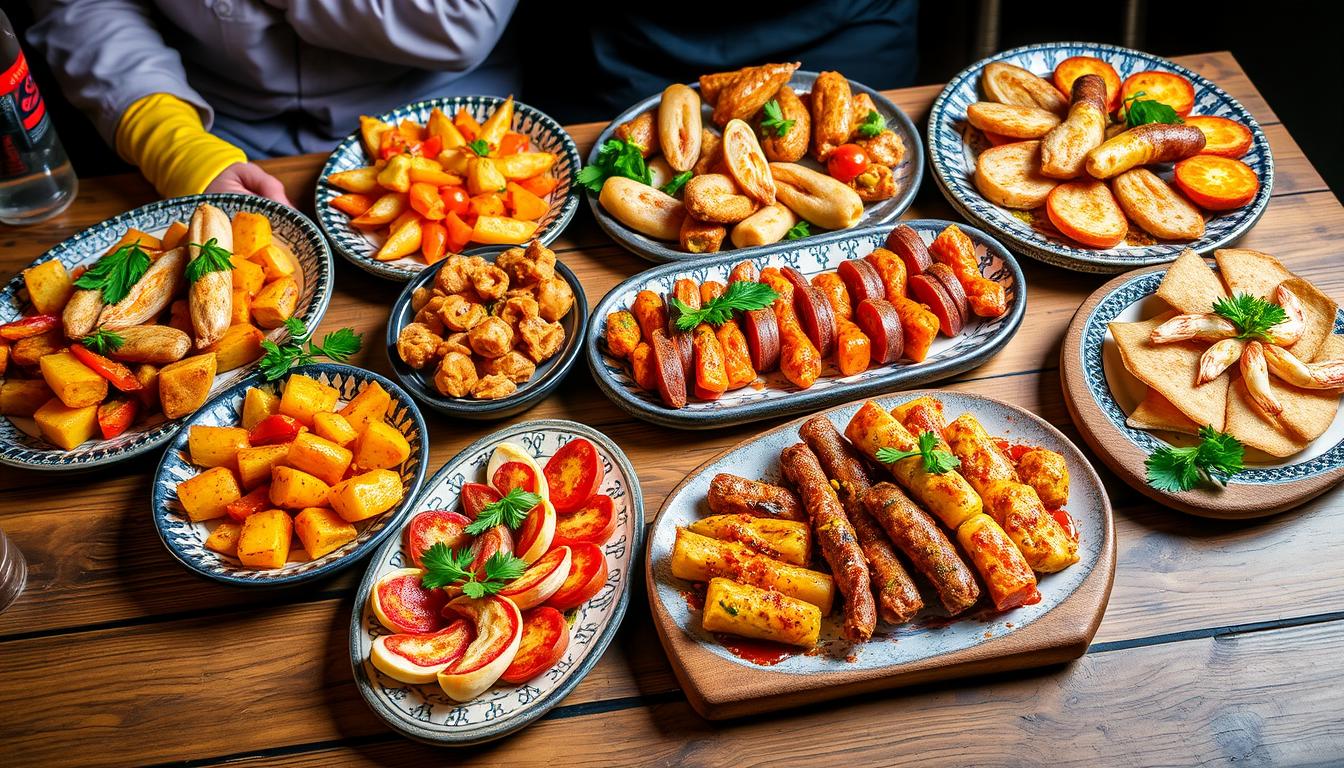
Plates that explain the region
Key ingredients & techniques
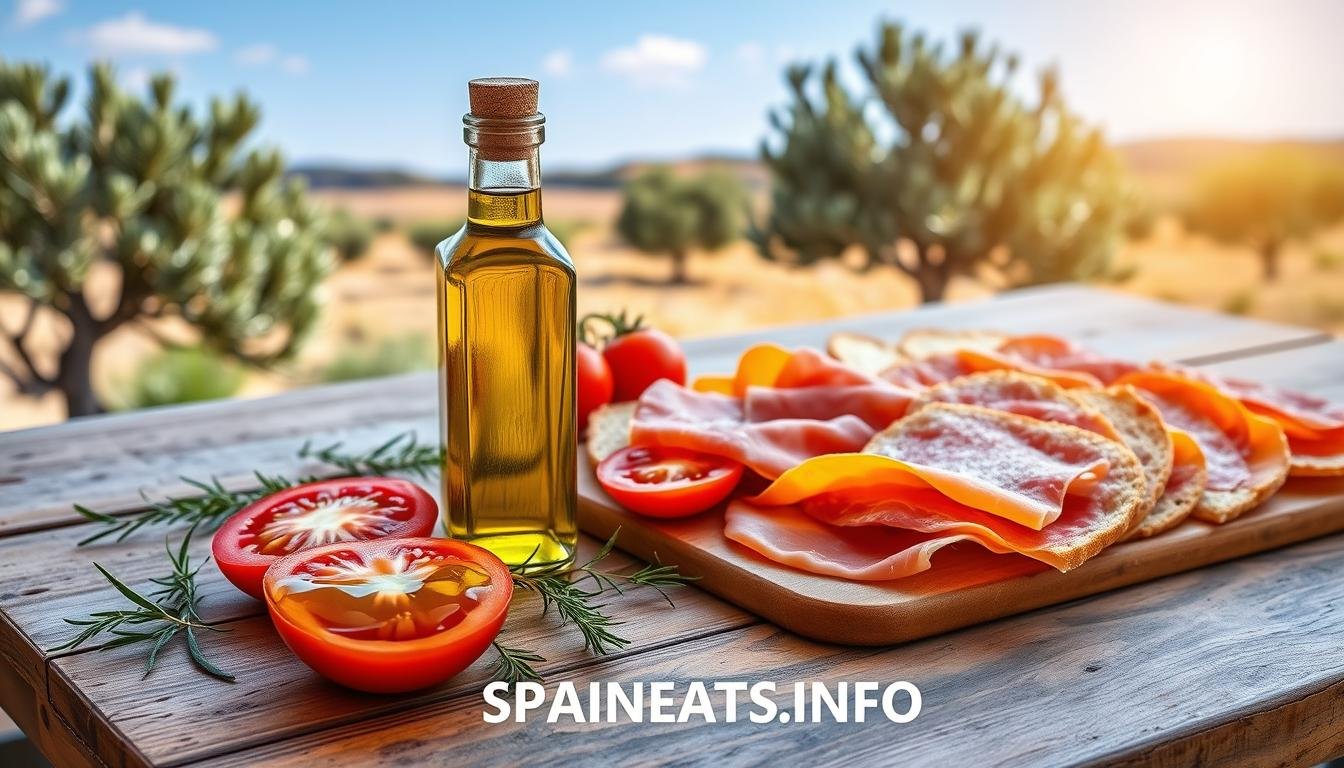
- Extra-virgin olive oil as the default cooking fat and finishing drizzle
- Ripe tomatoes, peppers, garlic, and sherry vinegar for cold soups
- Flour-dusted fried seafood — pescaíto frito — especially coastal
- Cured meats and olives as table staples, not garnish
- Sherry (jerez) as regional drink context, not only dessert wine
Useful distinction
Gazpacho vs salmorejo vs ajoblanco
Gazpacho is thinner and more vegetable-forward. Salmorejo (Córdoba) is thicker, bread-heavy, often topped with egg and jamón. Ajoblanco is almond-garlic based — pale, cold, and often paired with grapes or melon.
How to eat Andalusia like a local
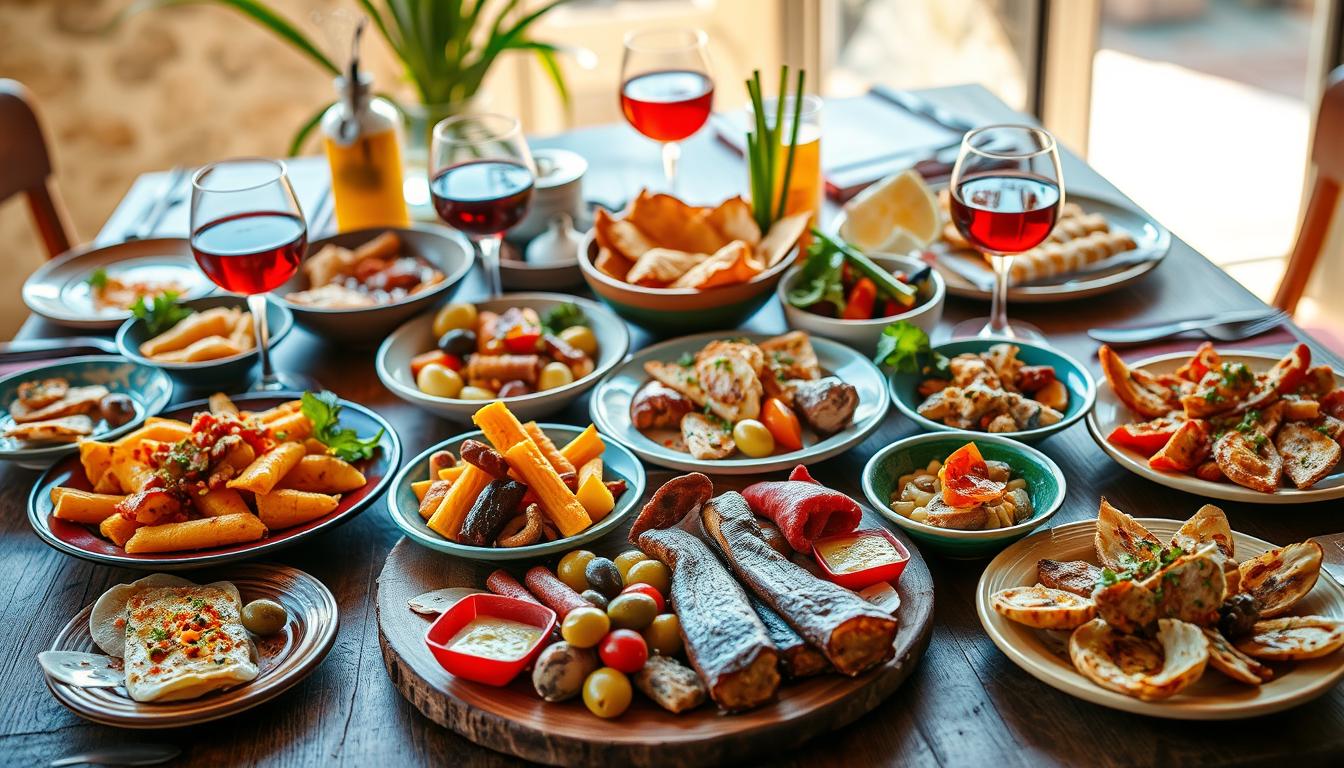
Tapas culture rewards rounds. Start light (olives, peppers), then fried fish or croquetas, then something cold if it is hot outside.
Customs vary by city and bar. Granada is famous for free tapas with drinks; Seville and Málaga are less predictable. Ask or watch the room.
Coastal fried fish loves cold beer or fino/manzanilla. Inland cold soups and olives sit well with sherry or vermut.
Related regions & next reads
Compare with Extremadura (pimentón, inland smoke) and Murcia (vegetable-garden cooking). For bar etiquette nationwide, see the Spanish tapas guide.
Parent hub: Regional Spanish food · Home: Spain Eats
FAQ
Is gazpacho the only cold soup? No — salmorejo and ajoblanco are equally regional and useful to know before ordering.
Is Andalusian food always spicy? No. Heat here usually means temperature, not chili. Flavour comes from olive oil, garlic, paprika, vinegar, and fry technique.
Where should a first visit start? One cold soup, one fried seafood plate, one jamón or olive oil tasting, and a tapas bar round — that sequence teaches the region faster than a tasting menu.
Regional identity
Cold soups, fried fish, sherry country, and tapas rhythm.
Andalusian Cuisine is geography first: climate, trade, and bar or home habits shape the plates visitors meet.
Compare neighboring regions on Spain Eats so you do not flatten Spain into one coastal stereotype.
Signature plates to open next
Use the traditional dishes and tapas linked from Andalusian Cuisine as doorways, not as a checklist to rush.
Cook one reference plate before you chase restaurant lists. Technique transfers better that way.
Tools help with quantities; Places help with location after you know what good should taste like.
Travel and honesty notes
Spain Eats listings stay editorial. Live ratings and hours belong on Google Maps.
Dietary needs (including Halal filters on Places) require on-the-ground confirmation.
Send regional corrections to contact@spaineats.info — depth improves by specific notes, not by spun word count.
Field notes for cooks and travelers
Keep a short tasting note the first time you cook or order this. Texture, salt, and fat tell you more than a copied ingredient list. Compare one neighboring regional plate the same week so differences stick.
If a method fights the regional pantry — wrong paprika character, weak stock, underripe tomatoes, rushed braise — fix the pantry decision before adding more steps. Spain Eats pages are written to prevent that kind of false complexity.
Next links: traditional dishes, regions, ingredients, tools, Places.