Spanish ingredients · Buyer review
Pimentón de la Vera: which tin to buy
Buy dulce first. Confirm La Vera / smoked origin. Bloom it in warm oil — never dump a cold spoon into a screaming pan. Bulk only after a small tin proves you cook with it weekly.
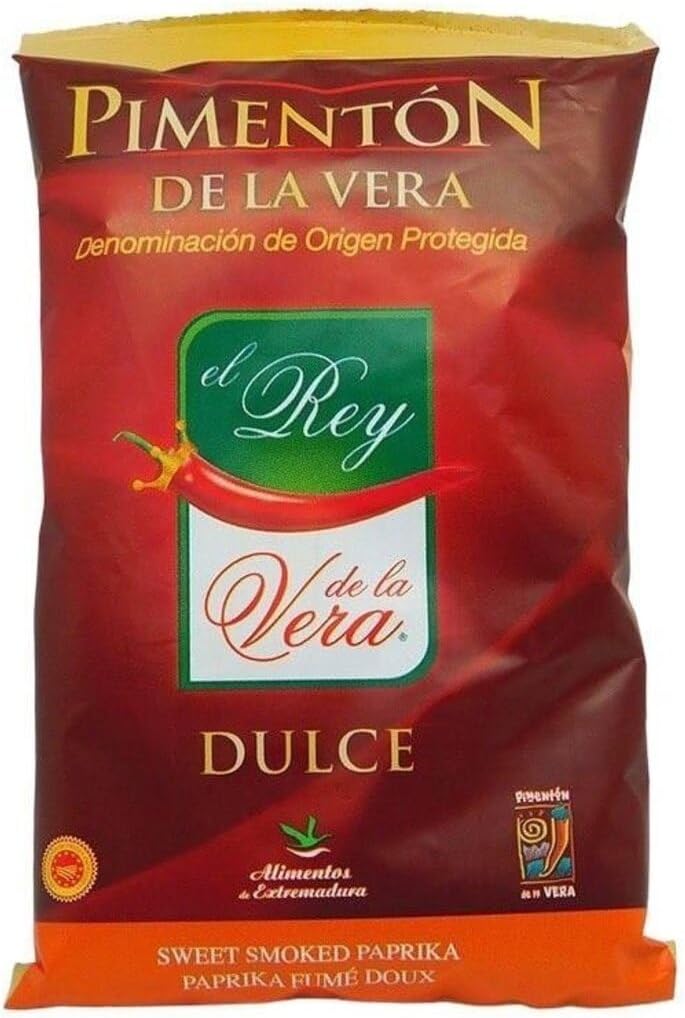
Why La Vera is different from generic paprika
Pimentón de la Vera is smoked over oak in Extremadura’s La Vera region. That smoke is the point — not orange color dust. Supermarket “smoked paprika” can be fine for chili night and still wrong for Spanish stew logic. If the label cannot say Vera (or a clear Spanish smoked origin), treat it as a substitute, not the reference.
This page is the buying decision. For pantry order of operations, see the Spanish pantry starter kit.
Dulce vs agridulce vs picante — buy for the job
Smoke without heat. Eggs, patatas, fabada-adjacent stews, many seafood finishes. If you only own one tin, this is it.
Smoke plus a harder edge. Useful when dulce tastes flat in a long braise. Buy second, not first.
Real heat. Only when the table wants spice — not “to make it interesting.” Most tourist recipes over-call picante.
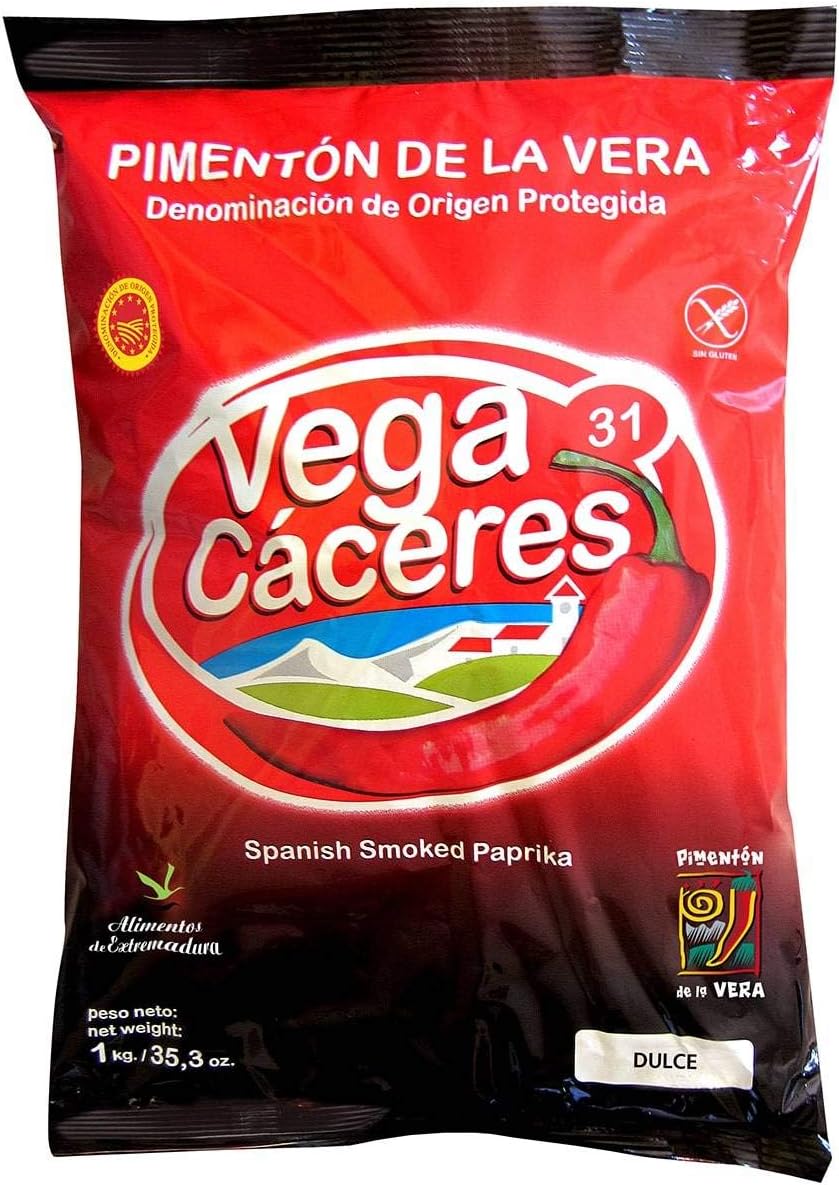
How to read the tin (skip the folklore)
- Origin words: La Vera, Pimentón de la Vera, smoked peppers — better than “paprika powder.”
- Heat word: dulce / agridulce / picante printed clearly.
- Seal: paprika dies in light and air; a tired open bag tastes like dust.
- Color alone: bright red is not proof of quality.
Cooking rules that change flavor
- Warm a little olive oil, then bloom pimentón briefly — seconds, not minutes.
- If it smells acrid, you burned it. Start the oil again; bitterness does not cook out.
- Add late in many finishes; early only when the stew expects a smoked base.
- Do not treat it as chili powder. Salt and acid still do the balancing.
Travelers tasting pulpo or stew in Galicia / Extremadura: notice whether the smoke is clean or ashy — that is the difference a good tin protects at home.
Tin vs bulk — when 1 kg makes sense
A small tin teaches you whether you actually cook Spanish food weekly. Bulk dulce makes sense after you finish two small tins in a few months. If a kilo sits open beside the stove, you paid for cardboard flavor.
Product picks below: everyday dulce tin first, bulk only for high-frequency cooks. Live prices on Amazon.es.
FAQ
Can I use Hungarian paprika? Different tradition. Fine for other cuisines; not a 1:1 Vera swap when smoke is the identity.
Is smoked paprika always Vera? No. “Smoked” is a process claim; Vera is a place-linked product story. Read the tin.
Where next? olive oil, tapas guide, chorizo.
Three kitchen tests before you commit to bulk
Open a small dulce tin and cook three plain jobs the same week: fried eggs with a pinch bloomed in oil, boiled potatoes tossed with oil and pimentón, and a simple chickpea or bean warm-up. If the smoke tastes clean in all three, you own the right product family. If it tastes dusty or bitter, you either burned it or bought a tired tin — do not “fix” by jumping to picante.
Only after those three jobs should you consider a 1 kg dulce refill. Bulk without a weekly habit is how paprika dies in the cupboard.
Where cooks actually notice quality
- Pulpo / octopus: smoke should perfume, not ash out the potato.
- Chorizo-adjacent stews: dulce supports fat; picante competes with it.
- Seafood rice finishes: a late pinch can help; early dumping can muddy the sofrito.
Travel note: in Extremadura and western Spain, pimentón is pantry grammar — not a garnish trend. Buy like a local: one reliable dulce tin, used often.
Storage that protects what you paid for
Keep the tin closed, away from the hob’s heat plume and from sunlight. Do not store a scooping spoon inside the powder. If the aroma is flat when you open it, replace it — stale paprika makes you over-salt to compensate.
Honest substitutions (and when to refuse them)
No smoked paprika at all: you can finish some potato dishes with sweet non-smoked paprika plus a drop of good oil, but you will not fake oak smoke. Chili powder + sugar is not a Spanish move. Liquid smoke is a last resort for non-Spanish cooking — leave it out of Vera-style stews.
If a recipe says “pimentón” and you only have picante, use half and taste; heat stacks faster than people expect. If you only have dulce and want edge, add black pepper or a little sherry vinegar at the end rather than forcing a second spice you do not own yet.
Shopping path: small dulce tin → cook three jobs → then bulk or a second heat level. Product cards below follow that path on Amazon.es.
Spain Eats product picks for this guide
Real product photos + editorial mini-listings — no Amazon prices on-page. Live checkout stays on Amazon.es. Affiliate disclosure.