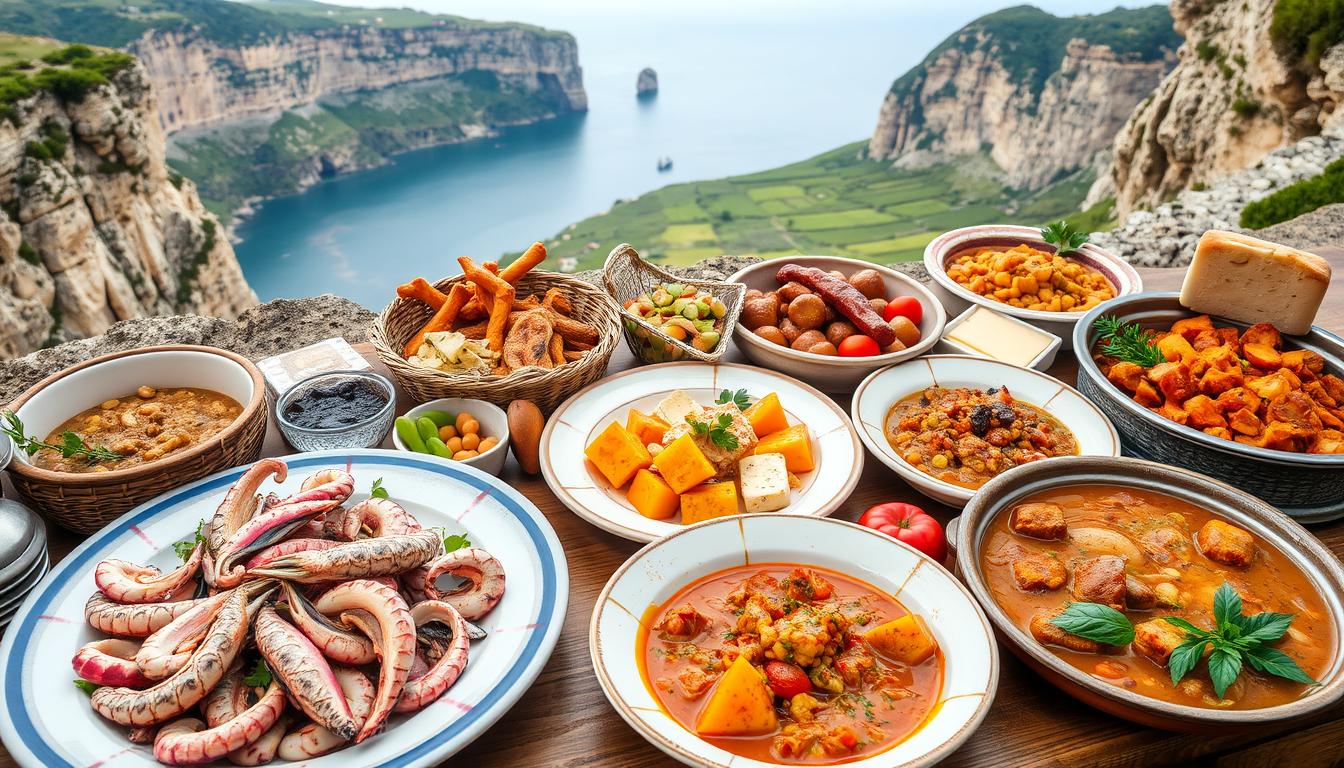
Caldo gallego — Galician greens and bean soup

Traditional dishes · Galicia

Caldo gallego

Galician broth of greens, potatoes, and beans — often with pork — built for wet Atlantic weather, not a clear consommé.

Atlantic comfort, not “Spanish vegetable soup”

Galicia’s climate shows up in the bowl: greens and potatoes stretch meat, beans add body. Versions vary by household — some lean heavier on lacón or chorizo — but the greens-and-potato backbone is the tell. Serve hot; it is everyday and winter food more than festival showpiece.

On the same regional map as pulpo a la gallega and Galician empanada — different techniques, same Atlantic pantry.

Galician cuisine Pulpo a la gallega

Atlantic bowl logic

Caldo gallego is greens, potatoes, beans, and usually pork — brothy but substantial. It is wet-weather food, not a clear consommé starter. Versions vary by household; greens-and-potato backbone is the tell.

Serve hot. Compare with pulpo a la gallega and Galician empanada on the same regional map — different techniques, same Atlantic pantry.

What defines the plate

Caldo gallego sits in Galicia cooking as more than a keyword. Galician greens, potato, and bean soup for Atlantic weather.

On Spain Eats, Caldo gallego is documented with authenticity notes, pantry links, and related places — not mill filler. Read the craft first, then cook or order with clearer expectations.

Texture and structure matter more than a long ingredient flex. If a restaurant or recipe renames a different plate as Caldo gallego, ask whether that is regional tradition or marketing.

Method and sensory goals

Related workflow: open the matching regional cuisine guide, check ingredient pages for shopping, use tools when scaling, then Places for location. Spain Eats does not invent restaurant star ratings.

Common failure mode for learners: copying a generic internet method that ignores Galicia pantry logic. Keep oil, paprika, stock, or bread economy decisions aligned with the local plate.

Make-ahead and leftovers: many Spanish dishes improve after a rest. Taste again when cold or reheated — seasoning shifts. Write one note about what you would change next time.

Where it sits on Spain Eats

When traveling, order Caldo gallego where kitchens cook it often enough to keep timing sharp. Use city Places pages and confirm live hours on Google Maps.

Editorial contact for corrections: contact@spaineats.info. Affiliate links, when present, are disclosed; we do not invent product rankings we have not earned.

Field notes for cooks and travelers

Keep a short tasting note the first time you cook or order this. Texture, salt, and fat tell you more than a copied ingredient list. Compare one neighboring regional plate the same week so differences stick.

If a method fights the regional pantry — wrong paprika character, weak stock, underripe tomatoes, rushed braise — fix the pantry decision before adding more steps. Spain Eats pages are written to prevent that kind of false complexity.

Next links: traditional dishes, regions, ingredients, tools, Places.

Leave a Comment