Plates · Spanish dishes
Spanish dishes
A map of Spanish plates — traditional dishes and tapas — linked to the regions and ingredients that define them. Use this hub to move from a plate into place, pantry, and method.
What this list is for
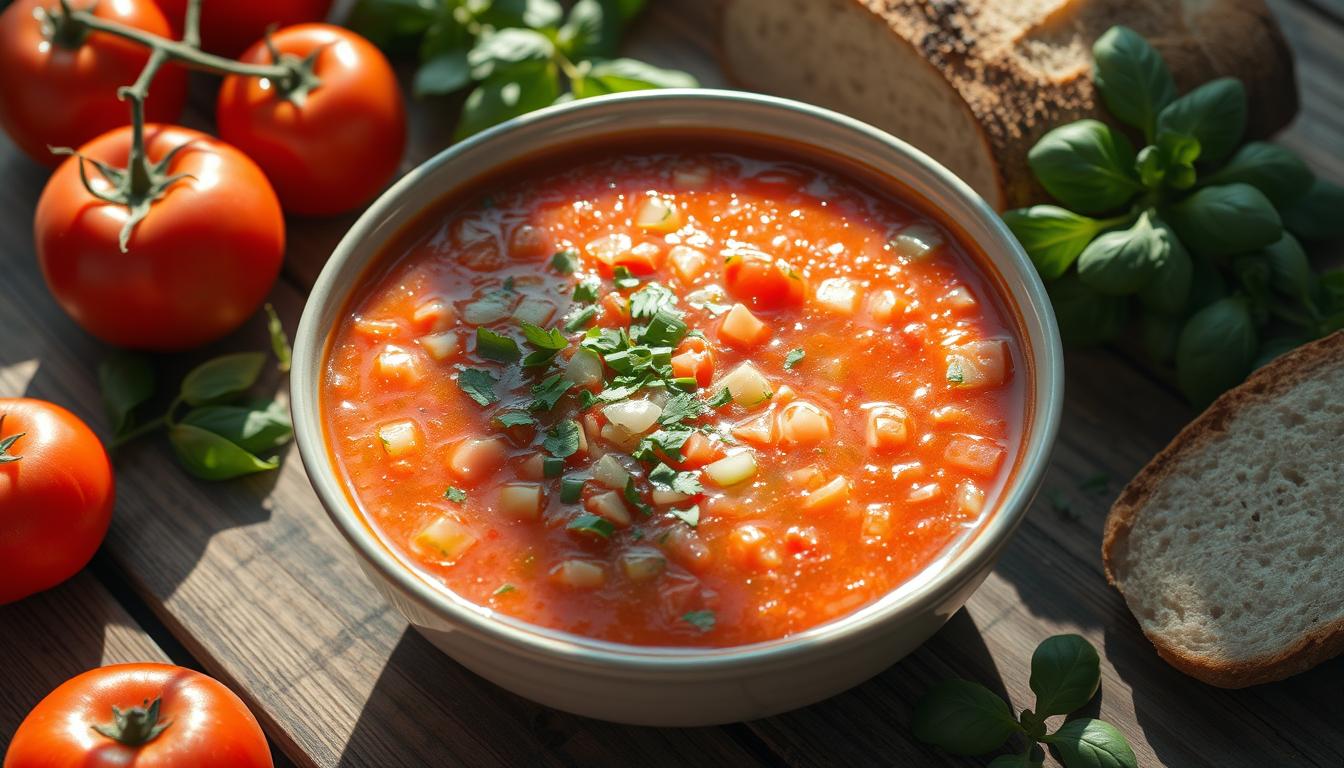
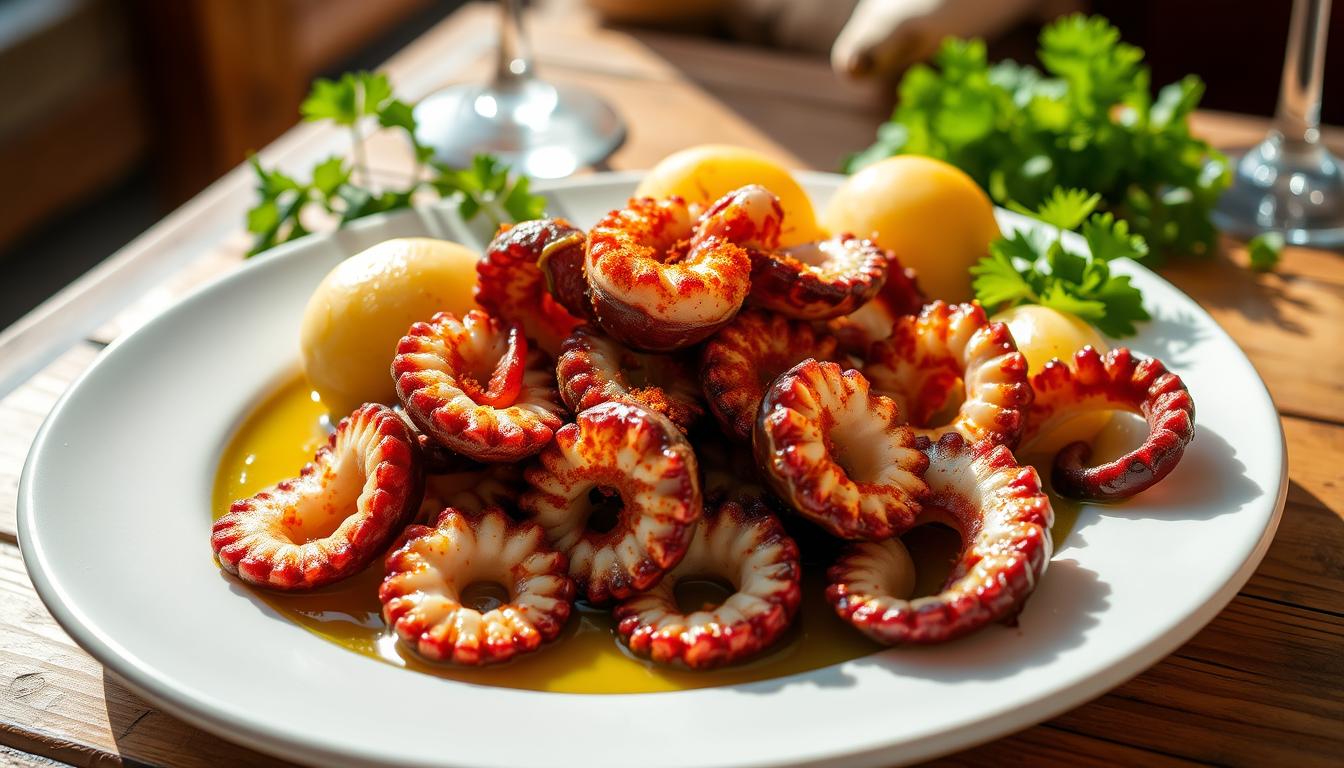
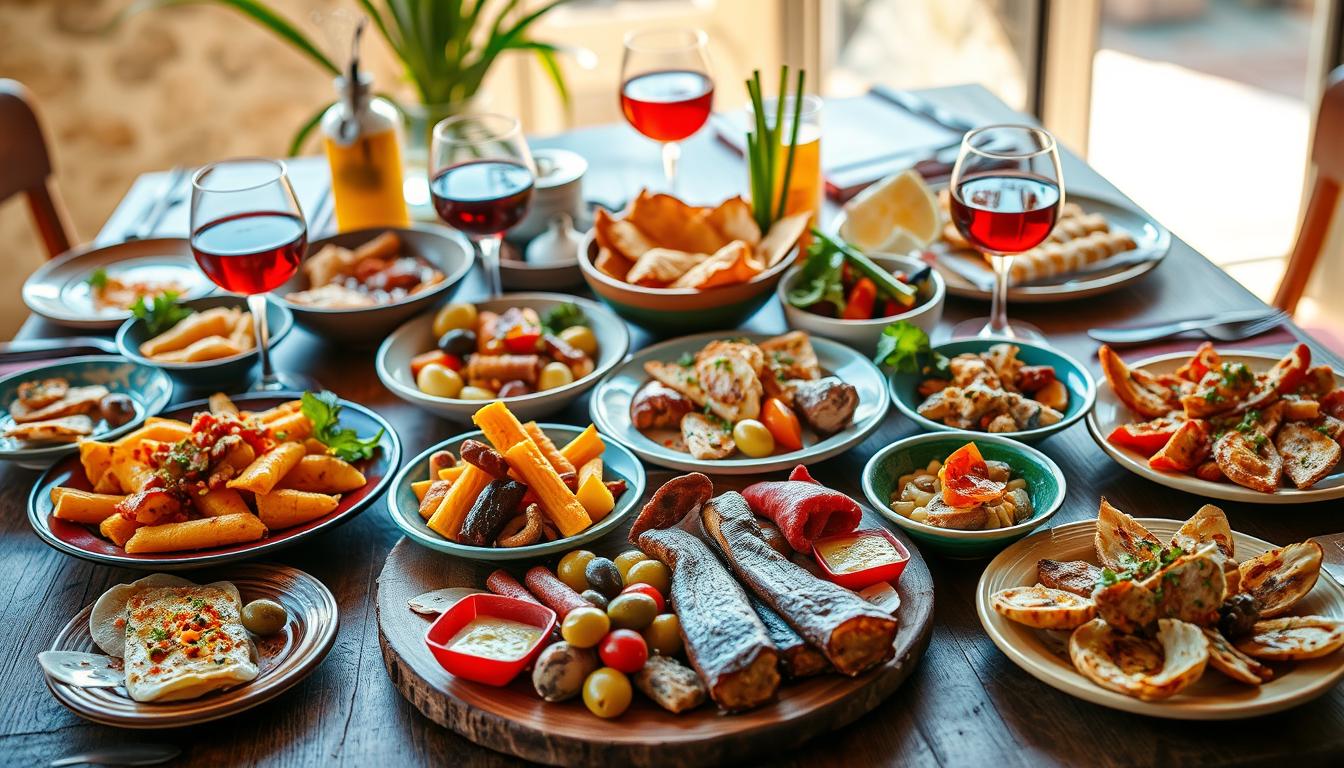
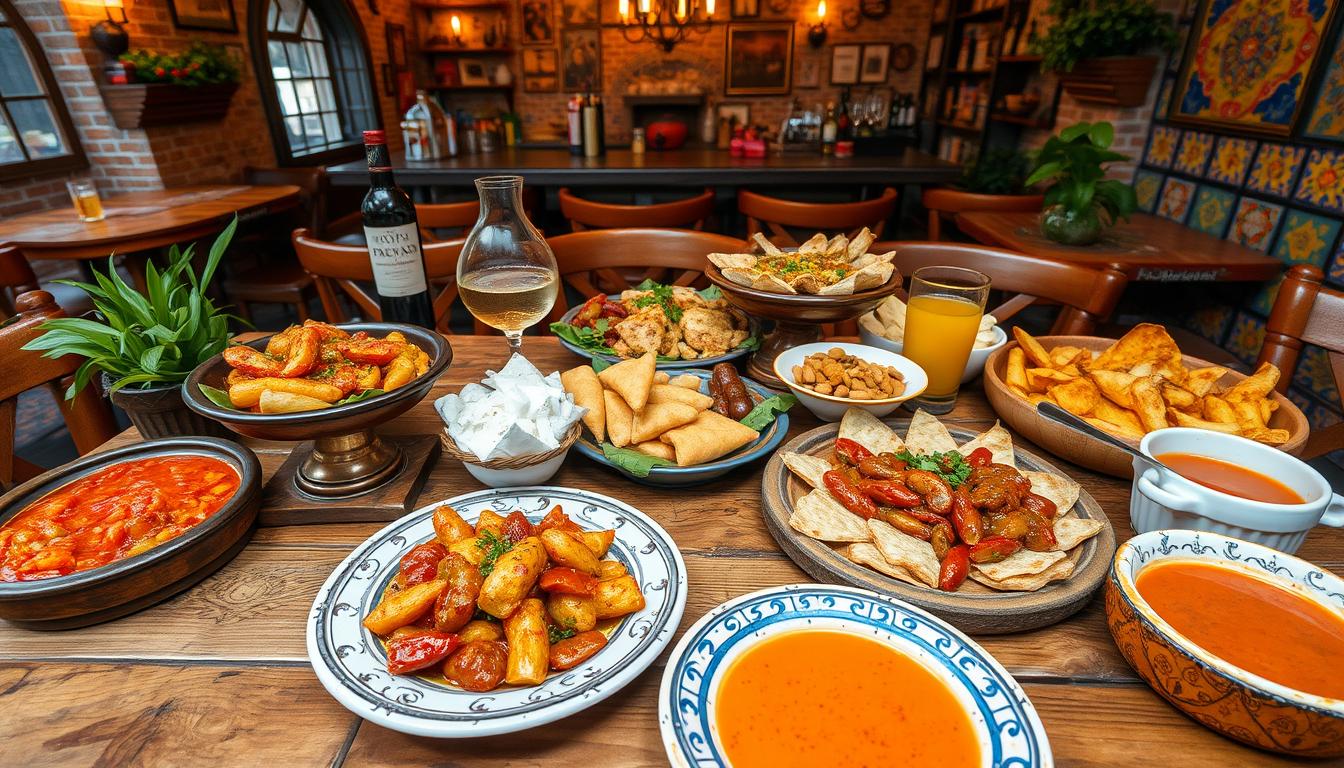
Spanish dishes are easier to learn as named plates tied to place than as a cuisine called “Mediterranean.” Gazpacho is an Andalusian heat solution. Fabada is an Asturian bean pot with cider-country meats. Pulpo a la gallega is an Atlantic market plate. Paella Valenciana is a dry rice with a specific farm list. This hub is a map into those guides — not a ranking and not a complete encyclopedia of every bar snack in Spain.
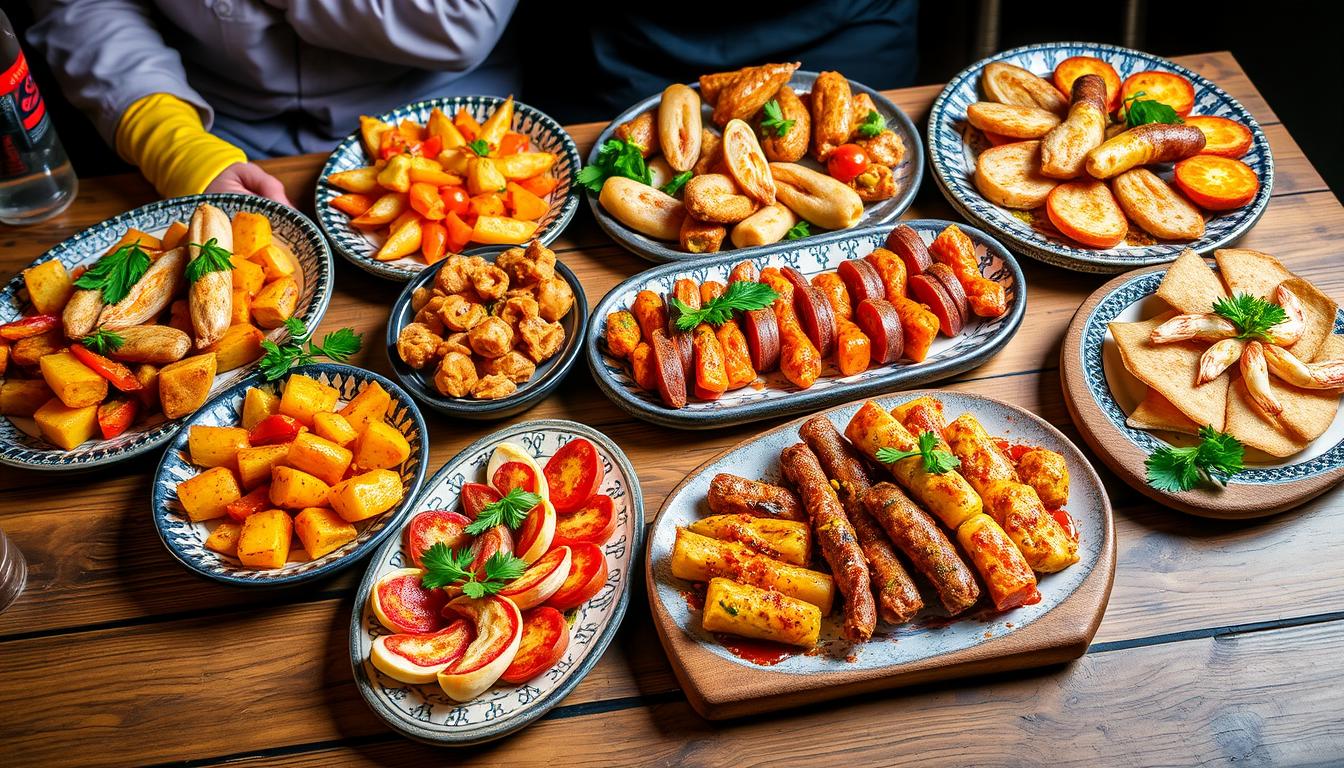
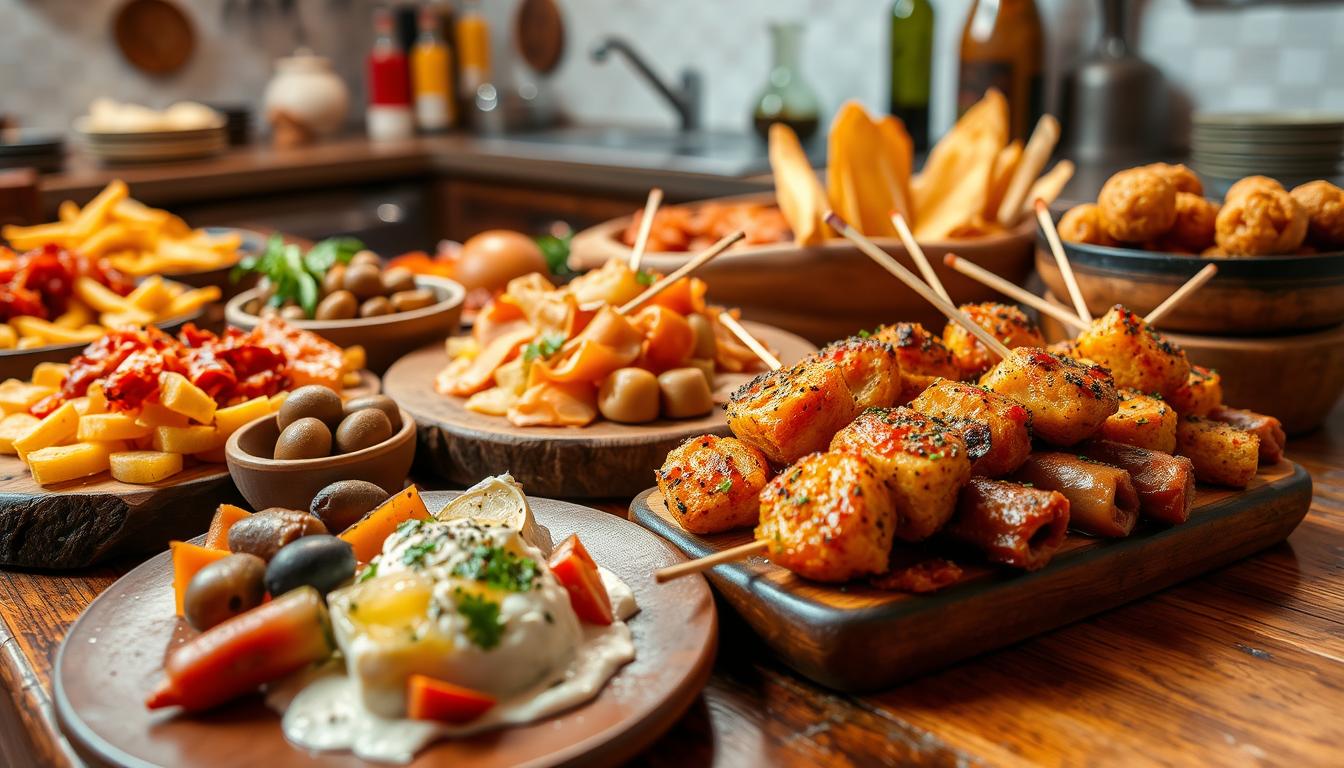
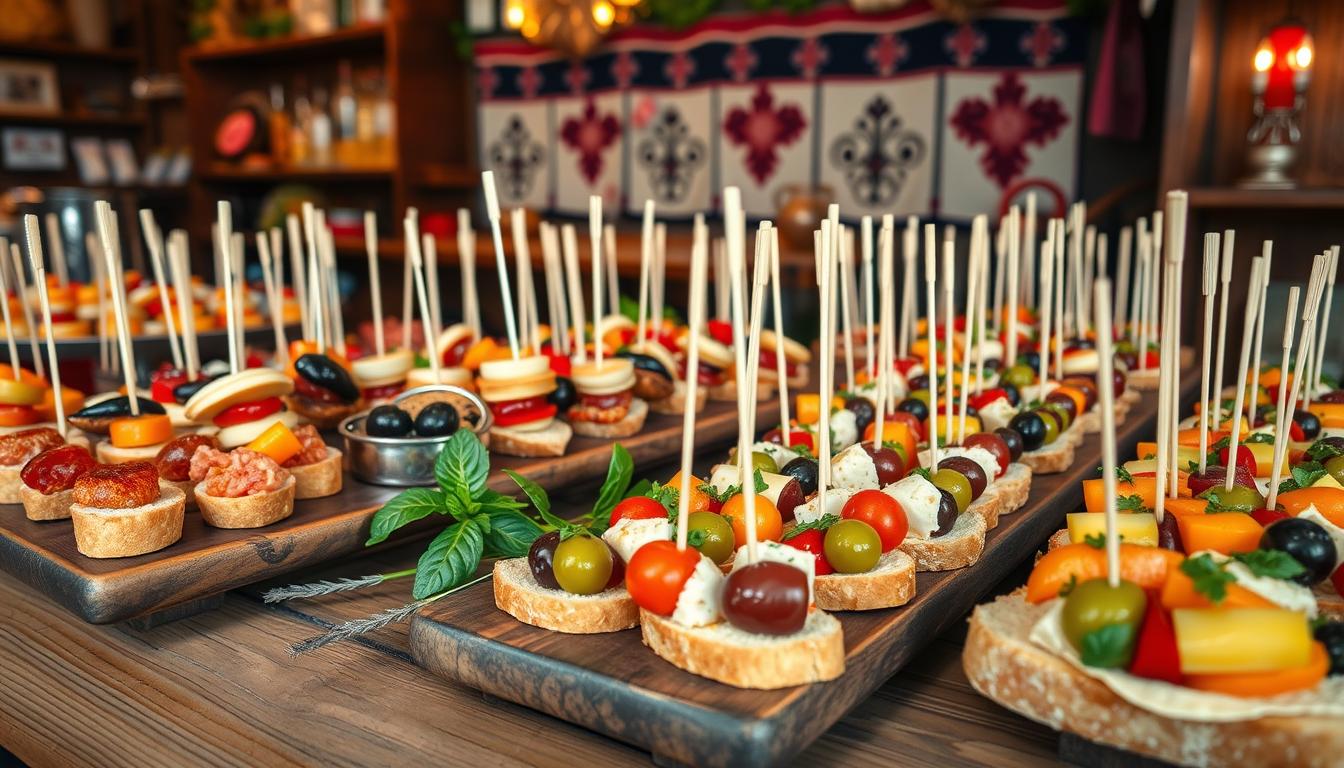
Tapas and pintxos sit in their own cluster because they are a service style as much as a recipe. A croqueta can be a tapa; a shared rice pan is usually lunch. If you are choosing what to cook tonight, prefer one traditional dish and cook it with the right fat and starch. If you are traveling, learn the dish first, then use Places and Google Maps for hours. Spain Eats does not invent restaurant scores.
Traditional dishes
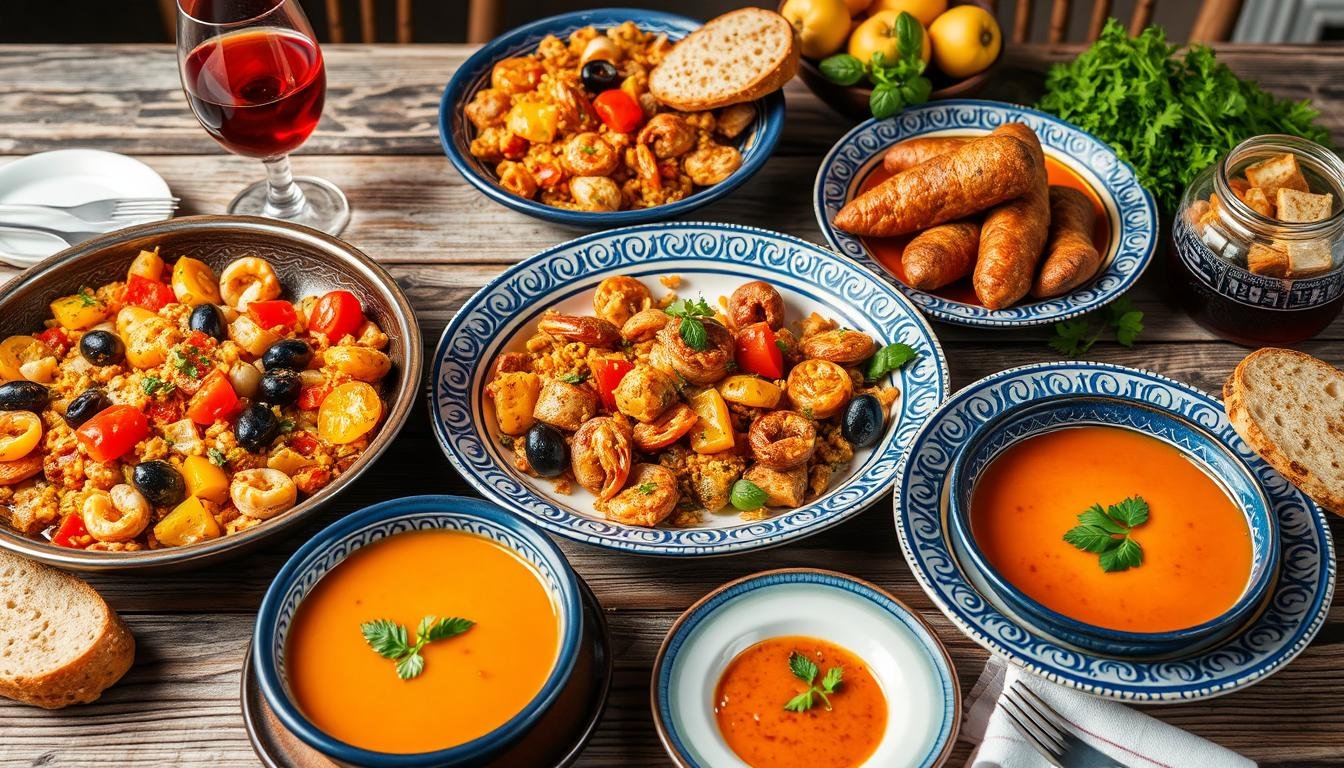
Core plates with regional identity
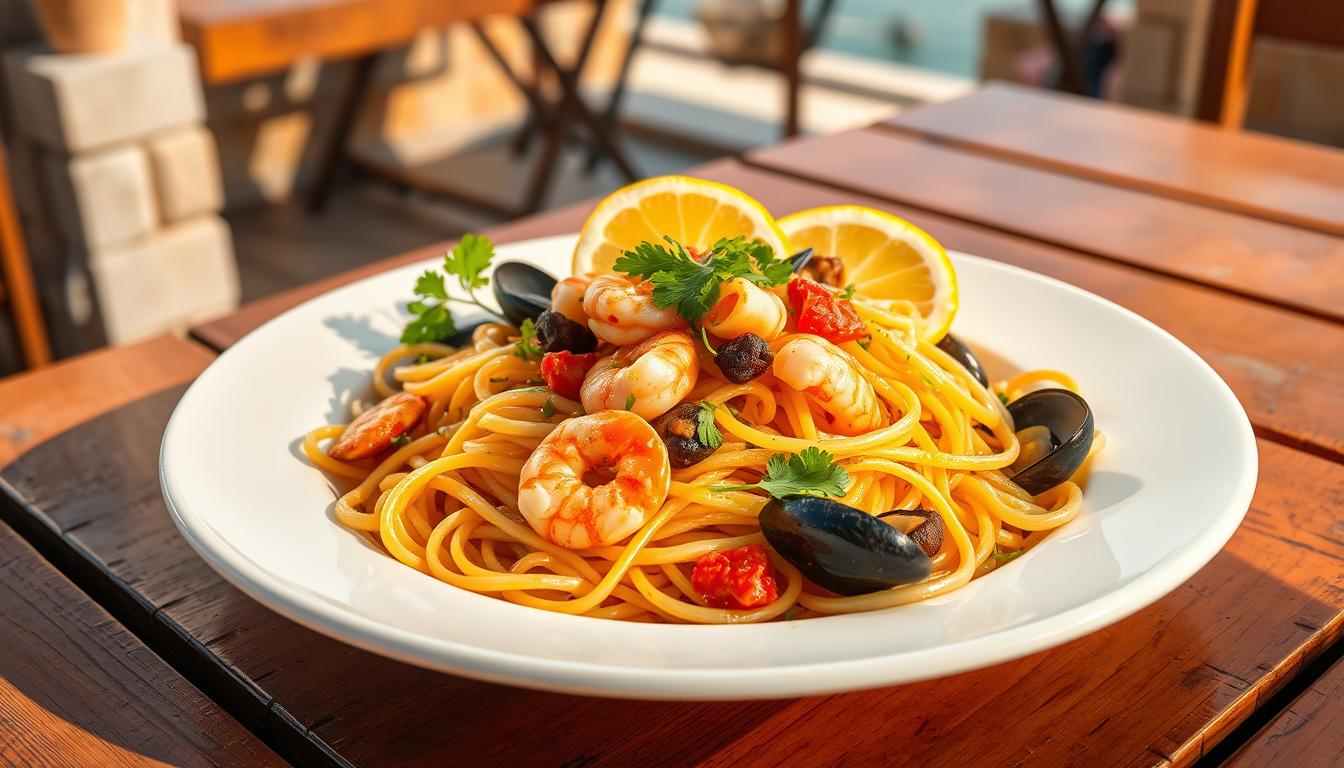
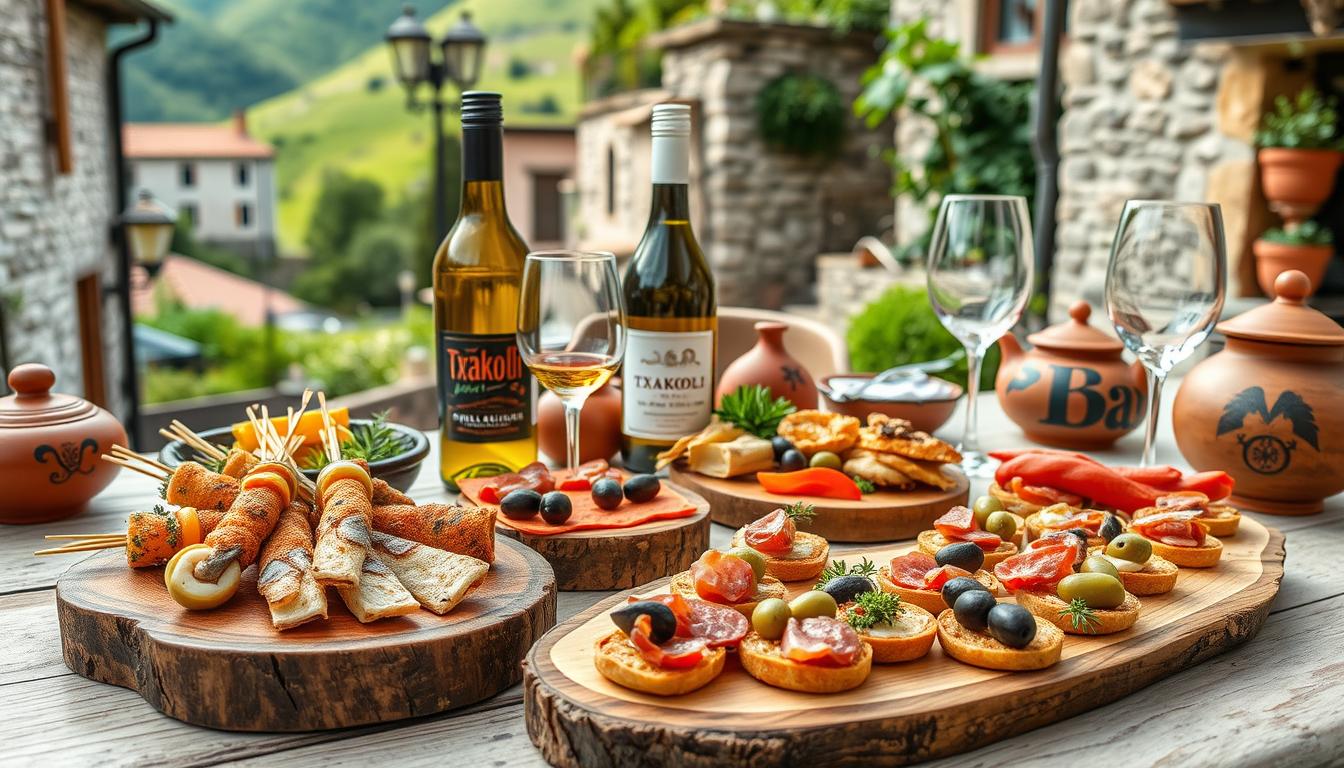
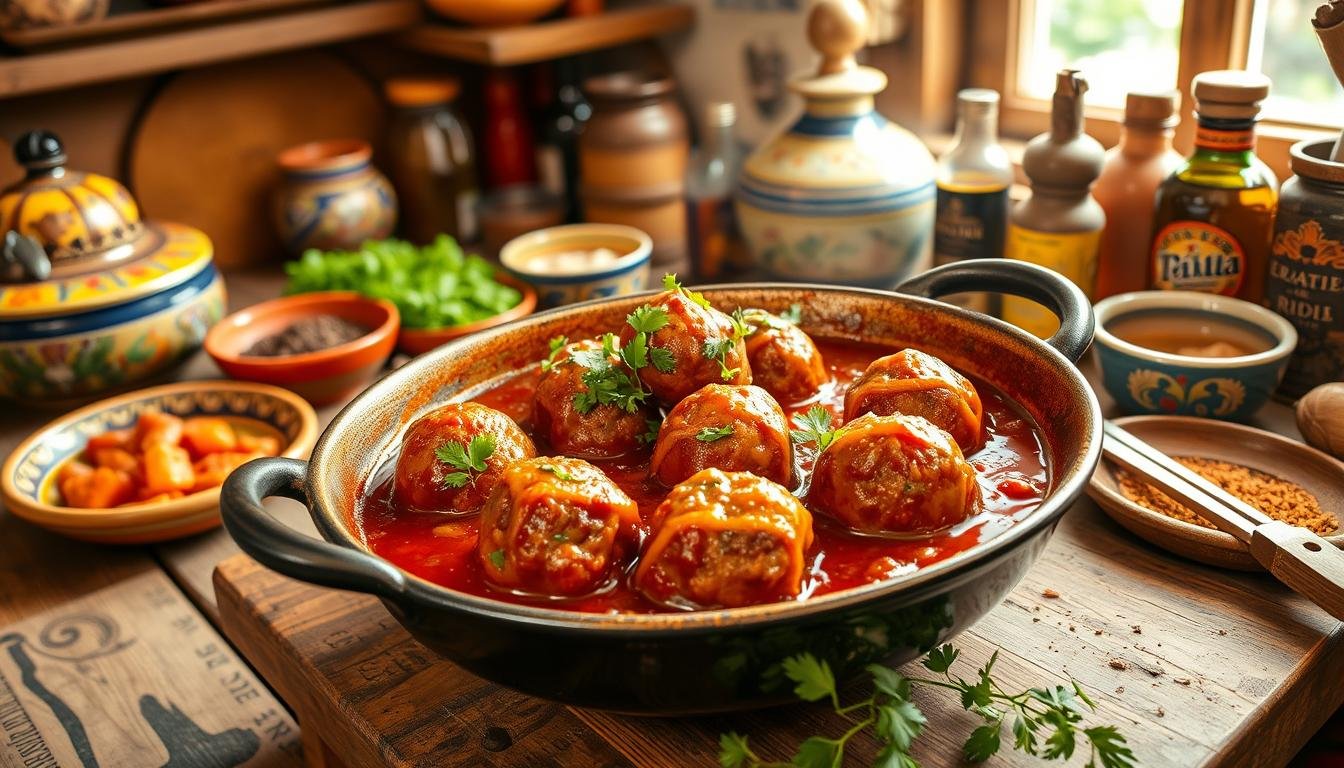
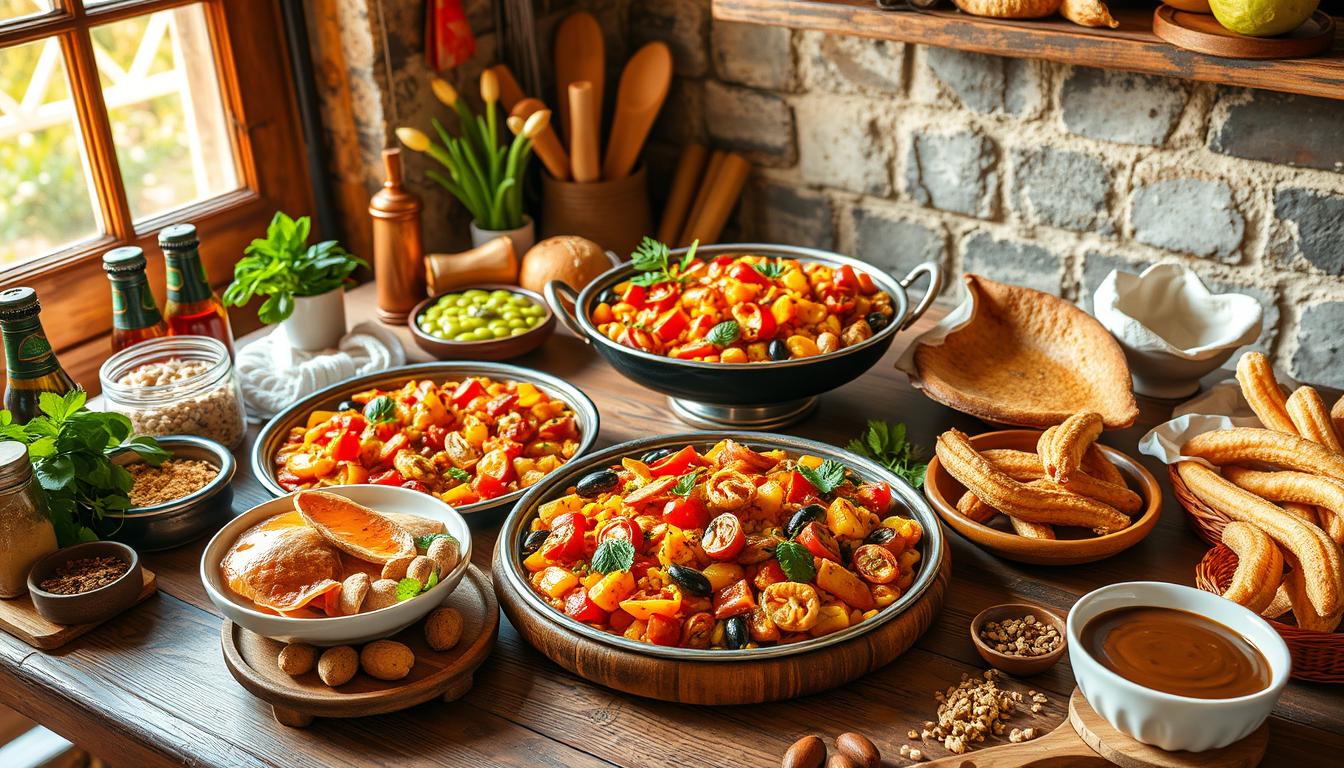
La Barra
Tapas & pintxos
Related: Ingredients · Food culture · Paella
How to use this dishes hub
Spanish food is regional first. Use this hub to pick a plate by cooking method or role at the table, then open the regional guide for context. A cocido and a gazpacho are both “traditional,” but they answer different seasons, pans, and pantry rules.
If you are cooking at home, start with technique pages that change outcomes: tortilla (heat and flip), paella (thin rice layer), gazpacho (oil emulsion). If you are travelling, skip generic “must-eat Spain” lists and choose by city — Valencia for rice, San Sebastián for pintxos, Seville for cold soups and sherry pacing.
Decision map: what to cook or order first
- Weeknight pan: tortilla, padron peppers, or a simple sofrito pasta with pimentón.
- Weekend project: Paella Valenciana or fabada — both reward planning, not rushing.
- Hot weather: gazpacho / salmorejo before any fried tapa crawl.
- Bar night: conservas + olives + one cooked plate, not five fried repeats.
Browse by method with the modules below, then jump into regional Spanish food when you want the geography behind the plate.
Why we avoid “top 20 Spanish dishes” pages
Generic listicles flatten regional cooking into interchangeable cards. Spain Eats keeps dish pages short where the plate is simple, and deep where technique or geography changes the result — paella, tortilla, gazpacho, fideuà. If a page cannot name a region, a pan, or a common failure mode, it is not ready to rank and we do not force word count for its own sake.