Regional cuisines · Asturias
Asturias cuisine
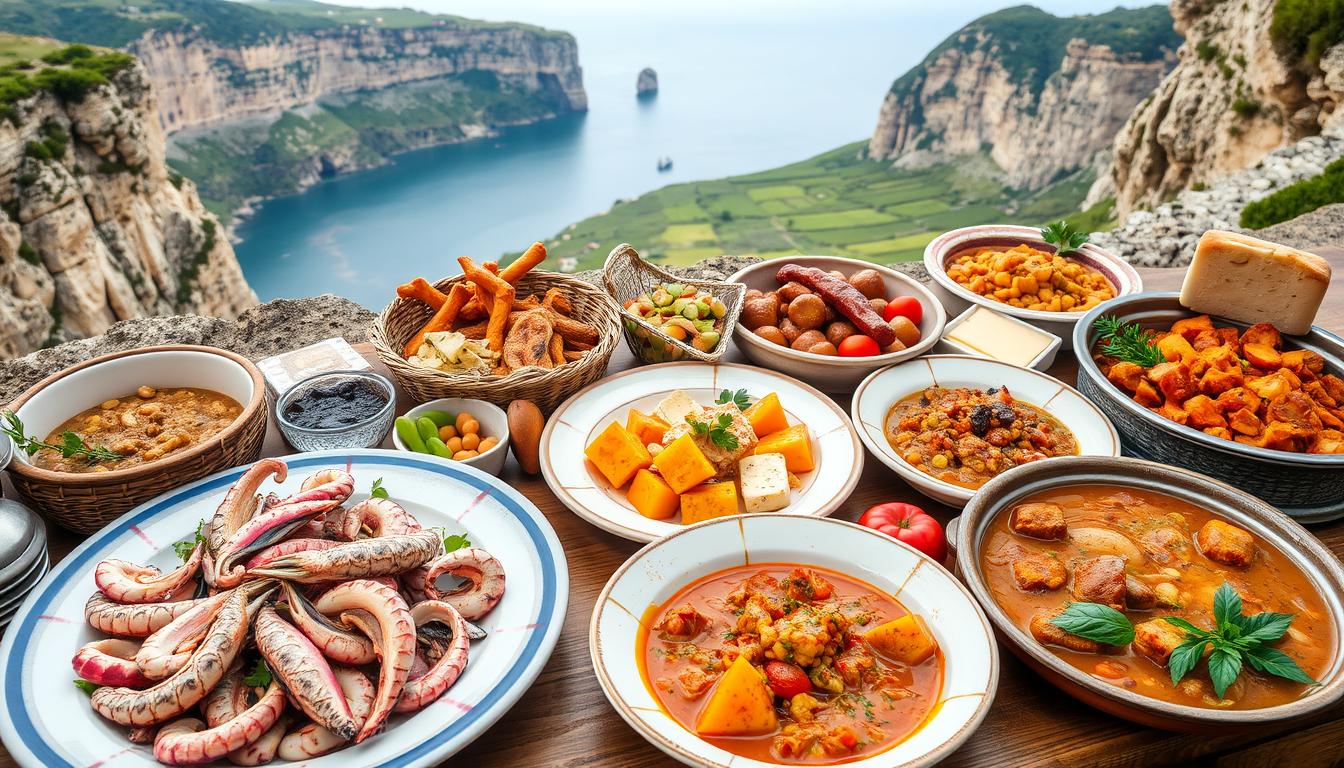
Northern comfort food: fabada, cider culture, mountain cheeses, and Cantabrian seafood — humid-climate cooking, not Mediterranean beach stereotypes.
What defines the table
Beans and pork products for inland weather; cider poured with the long-pour ritual; seafood when you are near the coast. Fabada is the ambassador plate — see fabada asturiana. Sidra is drink and culture — see sidra.
Compare with Galician and Basque guides on the northern arc.
Signature dishes to open next
- Fabada asturiana
- Chorizo as stew building block
- Classic Spanish stews map
FAQ
Is Asturias “Spanish food” tourists skip? Often, yes — which is why it rewards travelers who leave the Mediterranean checklist.
Vegetarian Asturias? Cheese and vegetable sides exist; many iconic pots are pork-forward. Ask and adapt honestly.
Related: Fabada · Regions hub · Places
Coast and mountain in one region
Asturias holds cider houses inland and seafood on the Cantabrian edge. Cheeses and bean pots dominate rainy days. Visitors who only know paella posters will find a different Spain here — that difference is the point of regional guides.
What to cook first
Start with fabada if you want the signature pot. Add a sidra reading for drink context. Then branch into neighboring Galicia and Basque pages for the northern arc.
Regional identity
Fabada, sidra, cheeses, and Cantabrian seafood.
Asturias Cuisine is geography first: climate, trade, and bar or home habits shape the plates visitors meet.
Compare neighboring regions on Spain Eats so you do not flatten Spain into one coastal stereotype.
Signature plates to open next
Use the traditional dishes and tapas linked from Asturias Cuisine as doorways, not as a checklist to rush.
Cook one reference plate before you chase restaurant lists. Technique transfers better that way.
Tools help with quantities; Places help with location after you know what good should taste like.
Travel and honesty notes
Spain Eats listings stay editorial. Live ratings and hours belong on Google Maps.
Dietary needs (including Halal filters on Places) require on-the-ground confirmation.
Send regional corrections to contact@spaineats.info — depth improves by specific notes, not by spun word count.
Field notes for cooks and travelers
Keep a short tasting note the first time you cook or order this. Texture, salt, and fat tell you more than a copied ingredient list. Compare one neighboring regional plate the same week so differences stick.
If a method fights the regional pantry — wrong paprika character, weak stock, underripe tomatoes, rushed braise — fix the pantry decision before adding more steps. Spain Eats pages are written to prevent that kind of false complexity.
Next links: traditional dishes, regions, ingredients, tools, Places.
Asturian eating notes
Asturias pairs fabada bean stew with sidra culture — pour from height, eat with fabada and sidra guide. Cabrales cheese and seafood fill coastal towns.
Cross-read Galician cuisine for Atlantic overlap. Markets are best before 14:00.