Spanish ingredients · Buyer review
Saffron: threads vs powder — worth buying?
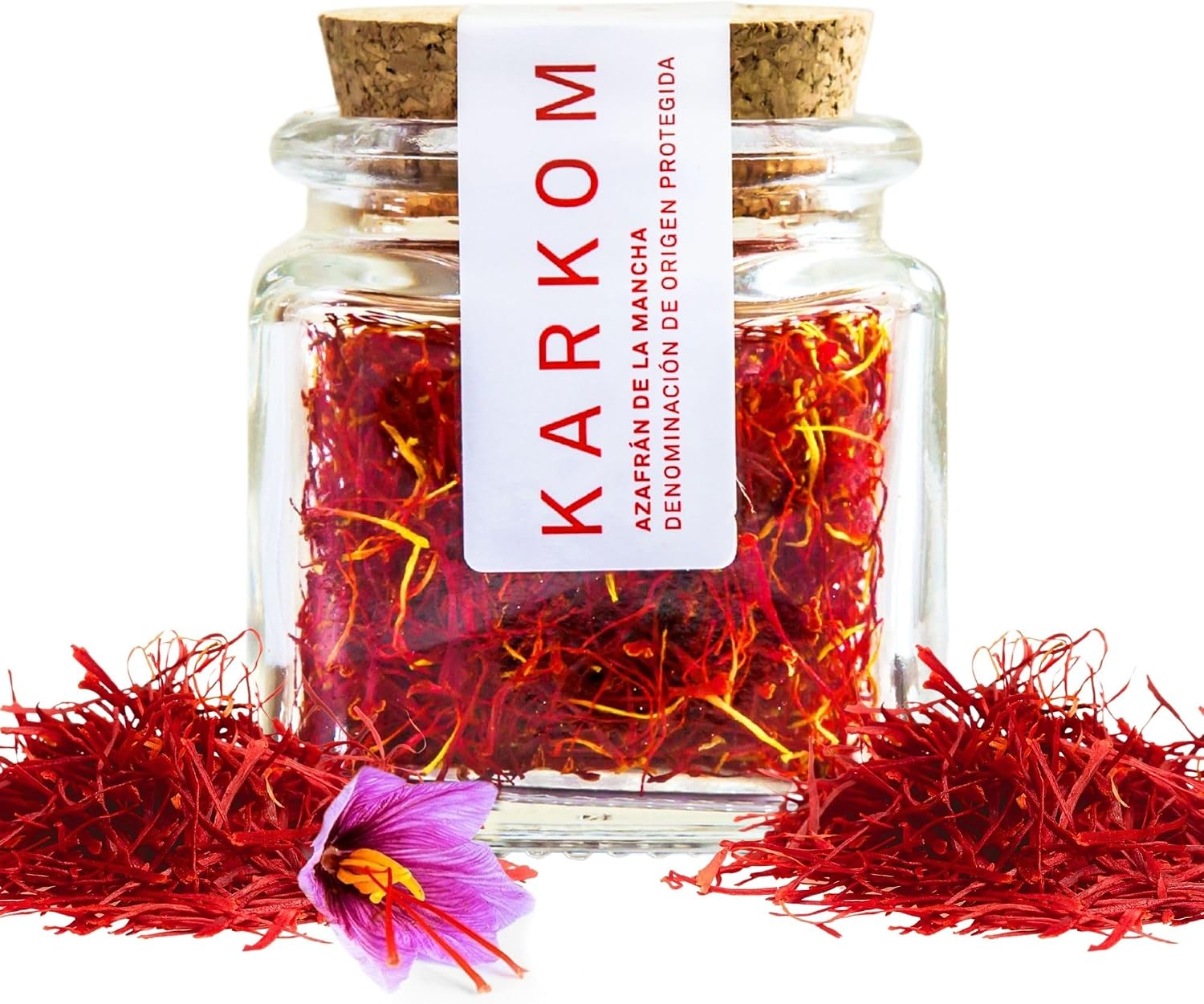
Buy real saffron threads when you cook Spanish rice often enough to finish a small tin. Skip yellow powder dyes and “paella seasoning” as your first color buy. Portion is tiny — freshness and honesty beat bulk folklore.
When saffron is worth the money
Saffron is expensive because the harvest is tiny. It is worth it when you will use it — not when it sits as pantry jewelry. If you cook paella-style rice a few times a year, a small thread tin is enough. If you never cook rice, buy oil and vinegar first.
Spanish rice plates (Valencian-style dry layers, arroz a banda, some seafood pans) use saffron for perfume and golden color. It will not fix bomba cooked too deep, stock that tastes like dishwater, or a hob that leaves a cold rim. Fix those first; then threads earn their rent.
Who this is for — and who should skip
For you if bomba (or a honest short-grain) and a pan that heats to the rim already work, and you want aroma beyond turmeric theater. Not for you yet if you are still learning thin-layer rice, shopping for a first pan, or hoping a yellow powder will make guests ignore mushy centers.
Weeknight practice pans can skip saffron entirely. Many home cooks rely more on sofrito, stock, and rice discipline. Add threads when you cook often enough that a tin will not expire as dust.
Threads vs powder
You can see what you bought. Bloom in warm liquid. Harder to hide filler. Best home path.
Convenient but easier to adulterate or cut with colorants. Only trust producers you already believe; otherwise stay on threads.
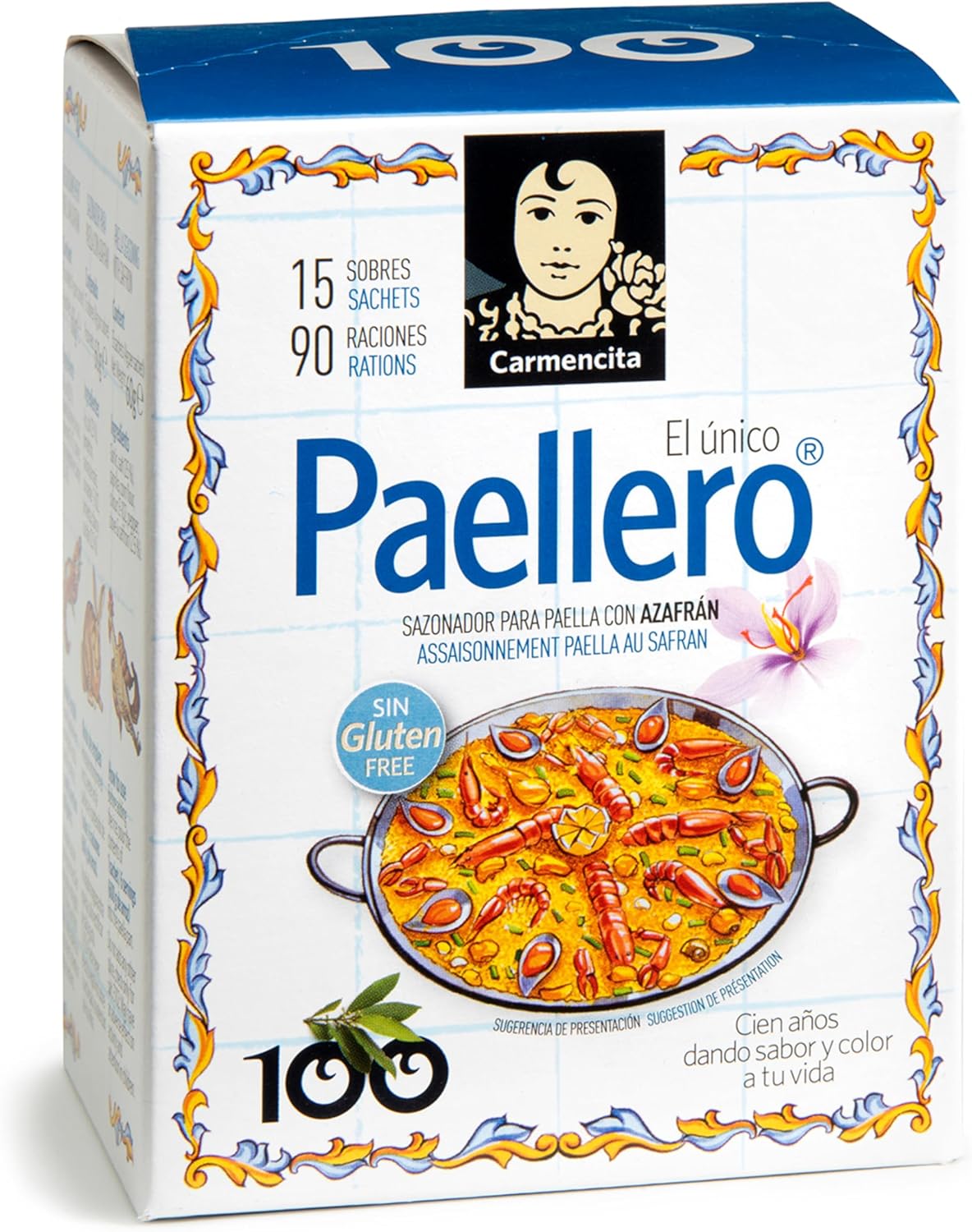
Sachets (including Carmencita-style mixes) can tint and salt a pan for travel nights. They are not how you learn rice. After bomba and pan work, optional — not a substitute for stock and sofrito.
Product pick below is a threads default for kitchen use. Live price on Amazon.es. We frame seasoning kits as skip-until-basics so bomba and pan authority stay intact.
How to use a pinch (not a heap)
- Crush a few threads; bloom in a spoon of warm stock or water for a few minutes.
- Add with the liquid — do not bury raw threads in a dry mountain of rice.
- Color should perfume, not paint the pan neon.
- Taste the bloom liquid: it should smell floral and honeyed, not like cardboard or pure dye.
If the rice is still wrong after saffron, the fault is usually depth, heat, or grain — see common mistakes and the calculator. For noodle nights, threads are optional after fideus work — fideuà noodles guide.
Portion reality
Home paella for four often needs less than people fear — a modest pinch bloomed well beats dumping half a tin. Write your house dose after one calm cook. Over-saffroning tastes medicinal and wastes money.
Buy the smallest honest tin you will finish in a year of real cooking. Bulk “value” saffron of unclear origin is where adulteration risk rises. Portion math beats folklore: threads are counted and bloomed, not poured like paprika.
Storage and honesty test
Keep threads sealed, dark, and dry. Aroma should be present when you open the tin. If it smells like dust and only stains, replace it. Color without aroma is a warning — you may have bought dye.
Pantry stack: oil + rice + pan method → threads → kits later. Starter path: pantry kit. Do not leave an open tin in a sunny spice rack for seasons.
Named entities matter for GEO: La Mancha saffron has a protected reputation when the producer is honest; cheap unlabeled powder does not inherit that trust. Buy what you can verify as threads, bloom once, and decide if your house pan needs it again.
What to skip first
- Huge “value” saffron of unclear origin.
- Buying saffron before bomba and a pan that heats to the rim.
- Using turmeric alone and calling it Valencian — different flavor job.
- Paella seasoning as a substitute for stock and sofrito.
- Powder dyes that only stain and smell flat.
FAQ
Is Spanish saffron required? Quality threads matter more than flag stickers — buy honest threads you will use. Origin claims help when the producer is credible; they do not rescue a cold-ring pan.
Can I skip saffron entirely? Yes for weeknight practice; many home pans rely more on sofrito, stock, and rice discipline. Add threads when aroma is the next upgrade.
Threads or Carmencita seasoning first? Threads when you cook rice often. Seasoning kits later for travel or emergency tint — never as the foundation.
Where next? bomba, pimentón, Paella Valenciana, calculator.
Spain Eats product picks for this guide
Real product photos + editorial mini-listings — no Amazon prices on-page. Live checkout stays on Amazon.es. Affiliate disclosure.