El Viaje · Extremadura
Extremadura cuisine
Inland Spain’s pantry of acorn-fed jamón, smoked paprika from La Vera, Torta del Casar, and rustic shepherd cooking — shaped by heat, dehesa, and borderland history.
What defines Extremadura food
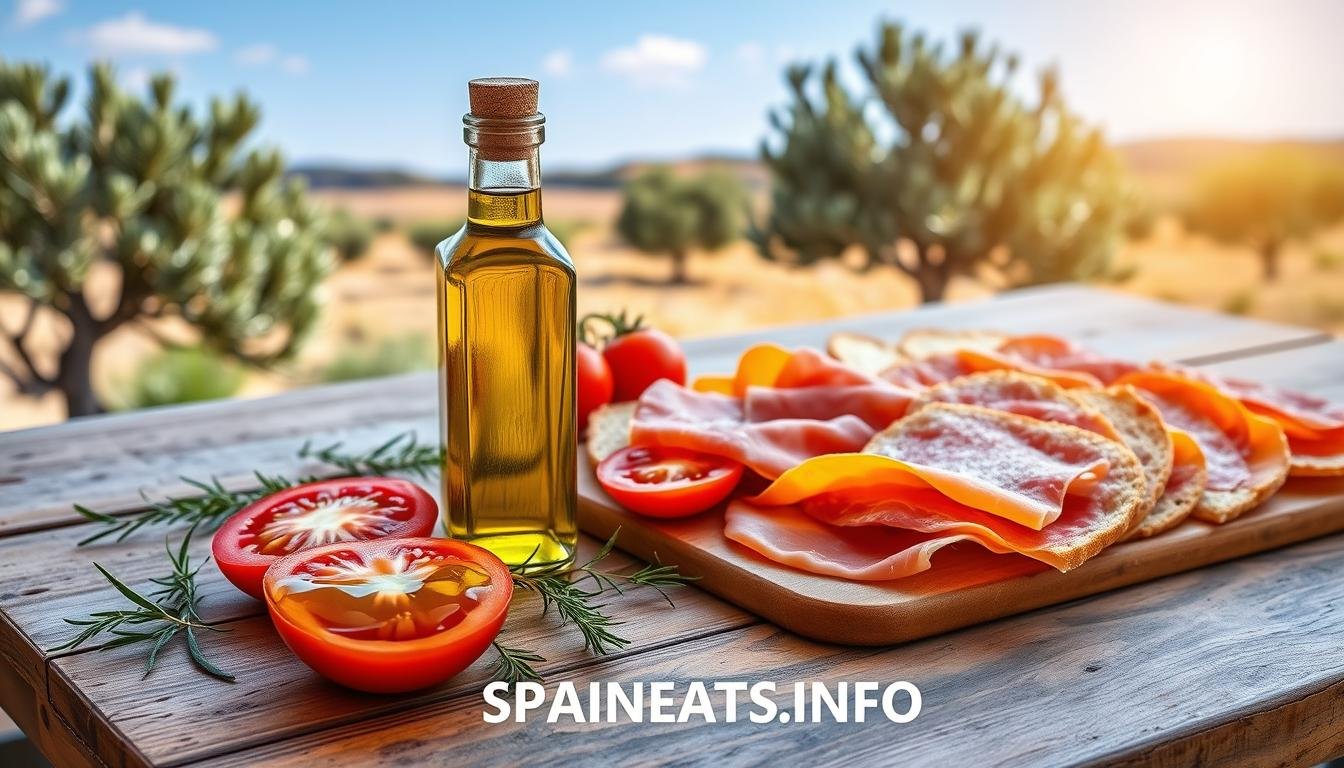
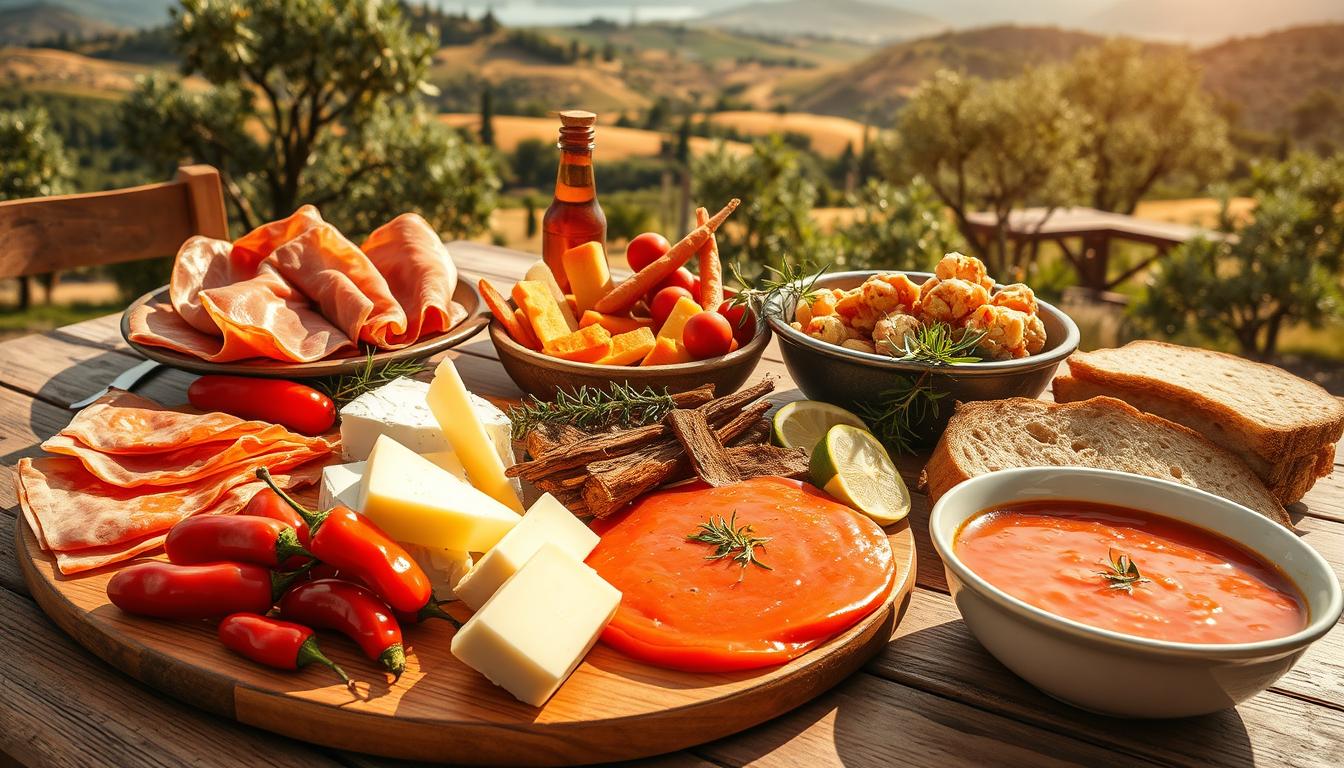
Extremadura sits inland in southwestern Spain. Its cooking is rural and ingredient-led: olive oil, garlic, and paprika do heavy lifting. The dehesa landscape (oak woodland pasture) feeds Iberian pigs; La Vera produces Spain’s famous smoked paprika; cheeses like Torta del Casar carry protected identity.
Roman, Arab, and later shepherd and convent traditions all leave traces — but the through-line is simple technique applied to excellent local products.
Signature plates
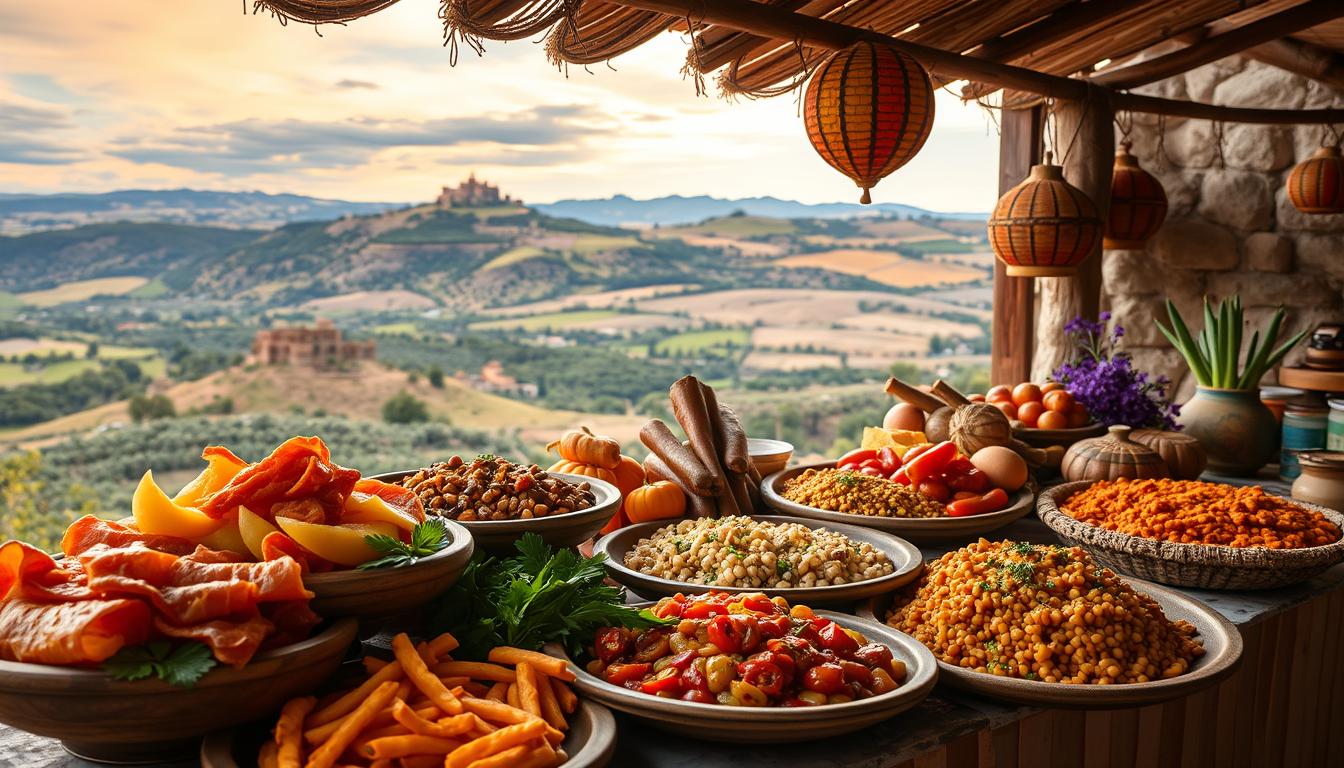
Dishes and products to know
Bread-crumb dish with garlic, paprika, and often pork or chorizo — shepherd food turned classic.
Soft sheep’s milk cheese from Cáceres province — spoonable when ripe.
Regional cold soup cousin of Andalusian gazpacho, still summer-forward.
- Chanfaina — offal and lamb stew traditions
- Zorongollo — roasted pepper salad
- Repápalos — garlic-parsley bread balls
- Jamón Ibérico from Extremadura’s dehesa systems
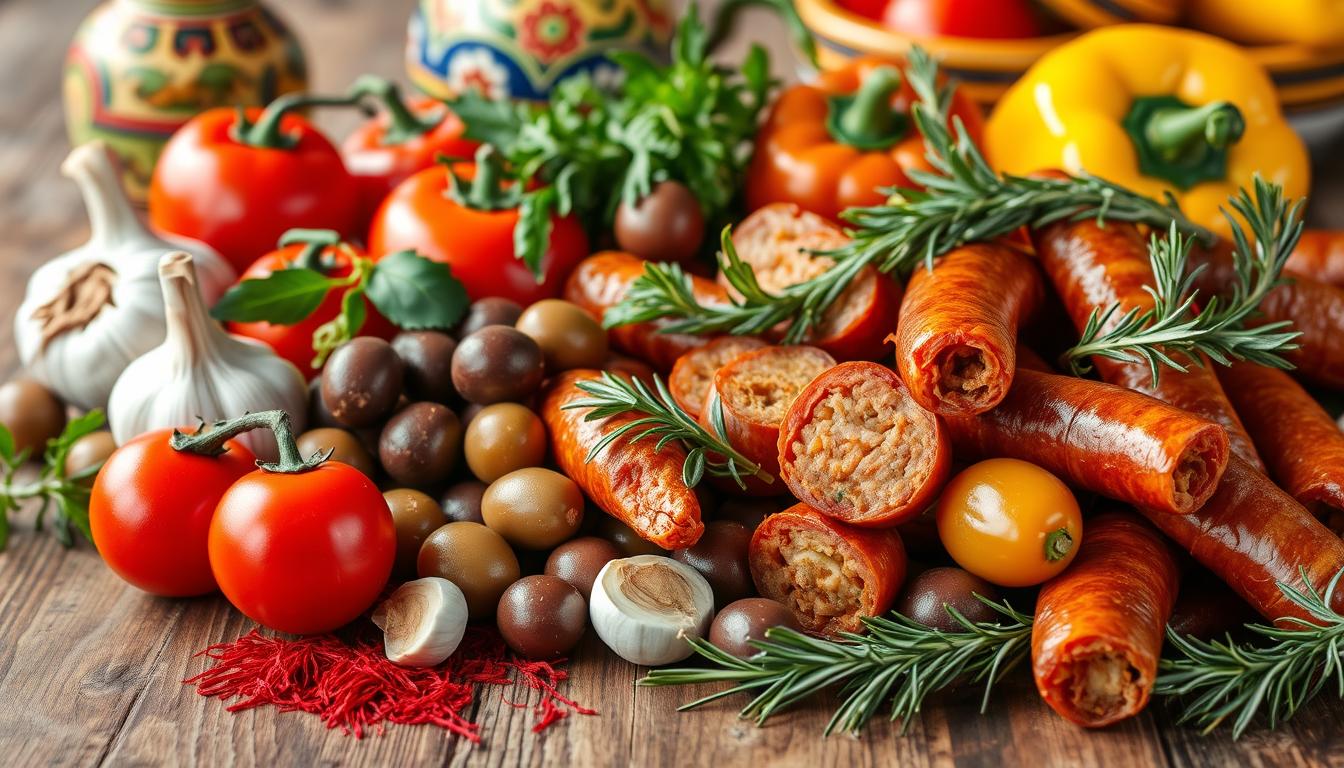
Prized pantry
Wine & drinks context
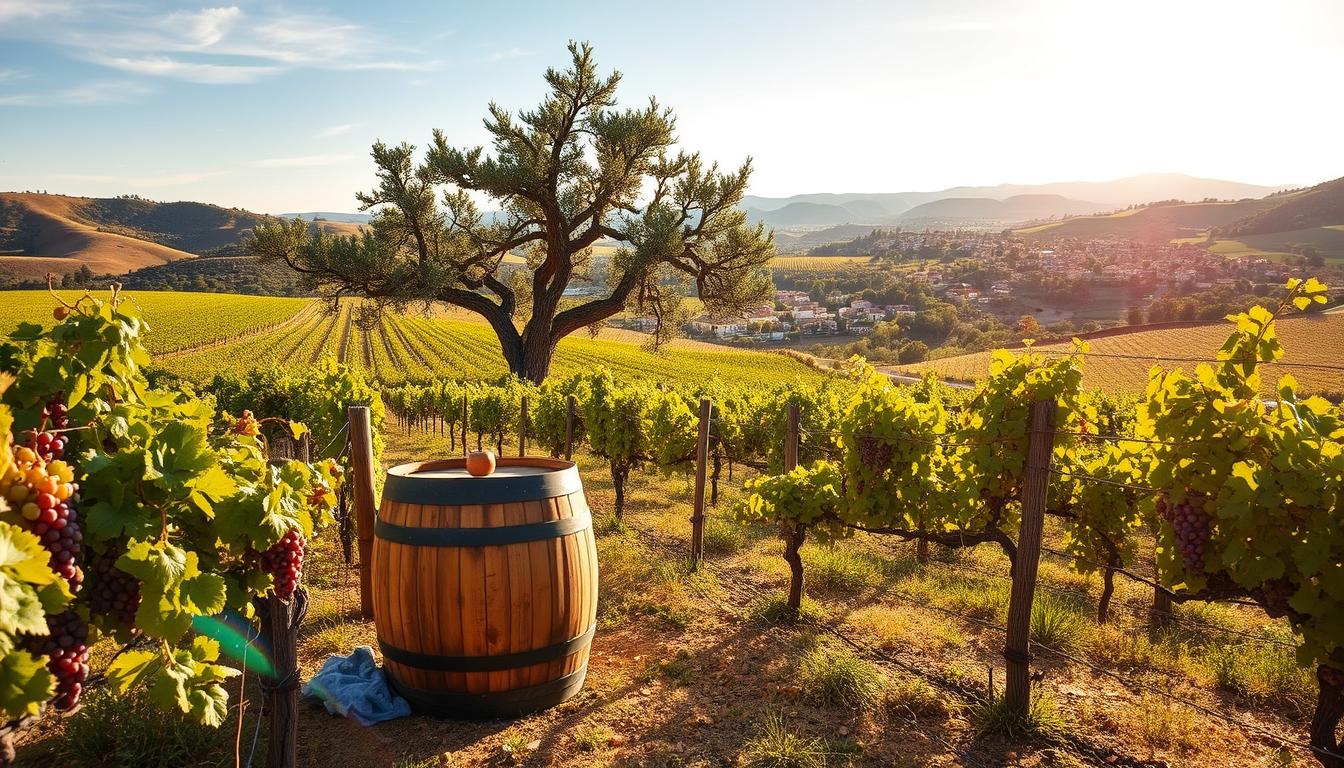
Ribera del Guadiana and Tierra de Barros frame the region’s wine story — often Tempranillo-led reds. Local liqueurs such as licor de bellota (acorn) sit beside table wines as regional identity signals, not tourist gimmicks.
FAQ
What defines Extremadura cuisine? Rural, paprika-forward cooking built on olive oil, garlic, Iberian pork products, and protected cheeses — shaped by inland climate and dehesa agriculture.
What should a first visit taste? Jamón from the region, a migas plate, Torta del Casar, and something finished with La Vera paprika.
Parent hub: Regional Spanish food · Compare: Andalusia · Substitutions · Places to eat
Regional identity
Inland paprika, migas, cured pork, and dehesa pantry.
Extremadura Cuisine is geography first: climate, trade, and bar or home habits shape the plates visitors meet.
Compare neighboring regions on Spain Eats so you do not flatten Spain into one coastal stereotype.
Signature plates to open next
Use the traditional dishes and tapas linked from Extremadura Cuisine as doorways, not as a checklist to rush.
Cook one reference plate before you chase restaurant lists. Technique transfers better that way.
Tools help with quantities; Places help with location after you know what good should taste like.
Travel and honesty notes
Spain Eats listings stay editorial. Live ratings and hours belong on Google Maps.
Dietary needs (including Halal filters on Places) require on-the-ground confirmation.
Send regional corrections to contact@spaineats.info — depth improves by specific notes, not by spun word count.
Field notes for cooks and travelers
Keep a short tasting note the first time you cook or order this. Texture, salt, and fat tell you more than a copied ingredient list. Compare one neighboring regional plate the same week so differences stick.
If a method fights the regional pantry — wrong paprika character, weak stock, underripe tomatoes, rushed braise — fix the pantry decision before adding more steps. Spain Eats pages are written to prevent that kind of false complexity.
Next links: traditional dishes, regions, ingredients, tools, Places.
Extremaduran pantry
Extremadura supplies much of Spain’s ibérico pork and sheep’s milk cheeses — read jamón and manchego with this region in mind. Migas and hearty stews appear on winter menus.
Browse regional hub and migas for cross-links. Verify seasonal restaurant hours in summer heat.