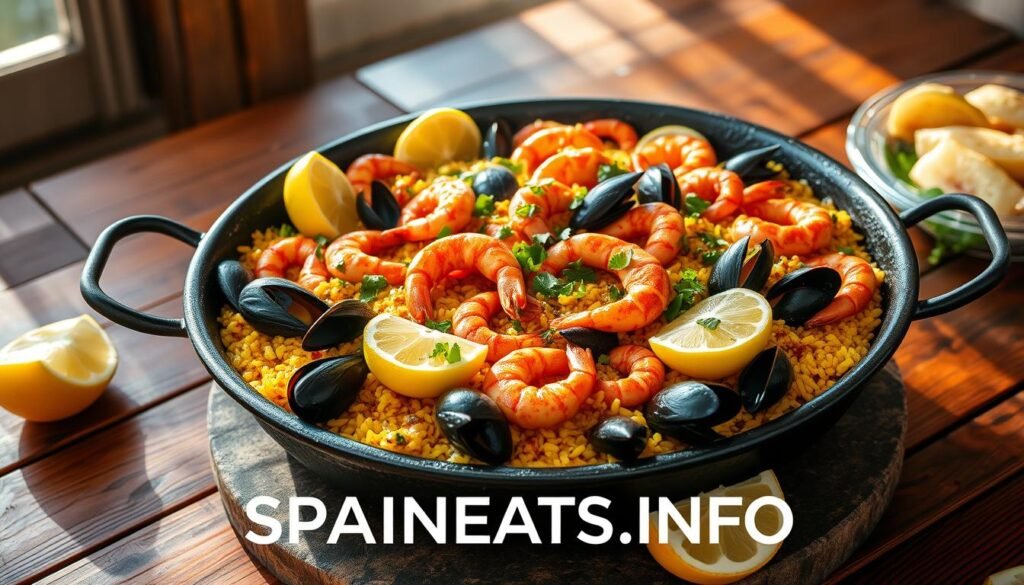
Valencian cooks push back on tourist paella mixes
Valencian cooks and rice guilds keep pushing back on the global “paella mix” — the tourist pan of shellfish, chorizo, and peas that has little to do with inland Paella Valenciana. The argument is not snobbery; it is about technique. Dry rice on a wide pan, rabbit and green beans in the reference version, and a socarrat you can hear before you see it.
What changes for home cooks is simpler than politics: buy the right rice and pan first. Bomba rice absorbs stock without turning to paste; a carbon-steel paella pan spreads heat so the bottom toasts instead of steaming. Read our common paella mistakes before you invite guests — stirring is the fastest way to lose the dish.
Seafood paella has its own coastal logic, but it is not interchangeable with Valenciana. If you are shopping this week, our editorial pick for everyday bomba is on the bomba rice product guide — live price stays on Amazon.es.
Guides: Spanish paella hub · Paella Valenciana
What home cooks should change
If your “paella” always includes shrimp, mussels, chorizo, and peas in one pan, you are cooking a tourist hybrid. That can taste good — it is just not Paella Valenciana. For the inland reference, keep the protein set land-based, the rice layer thin, and the broth measured. Read our Paella Valenciana page before shopping for seafood mixes.
When Valencian cooks push back in the press, they are defending a named tradition against menu inflation. Travelers can still eat excellent seafood rice on the coast; call it what it is, and judge restaurants by dry grains and socarrat, not by how many proteins hit the Instagram frame.
Shopping list that matches the tradition
For inland Paella Valenciana practice at home: bomba or similar short-grain, saffron threads, olive oil, tomato for sofrito, and the beans your recipe actually uses. Skip chorizo-in-paella kits if your goal is the Valencian reference. Compare our seafood paella page when you want coastal rice on purpose.